Alarms & sensors
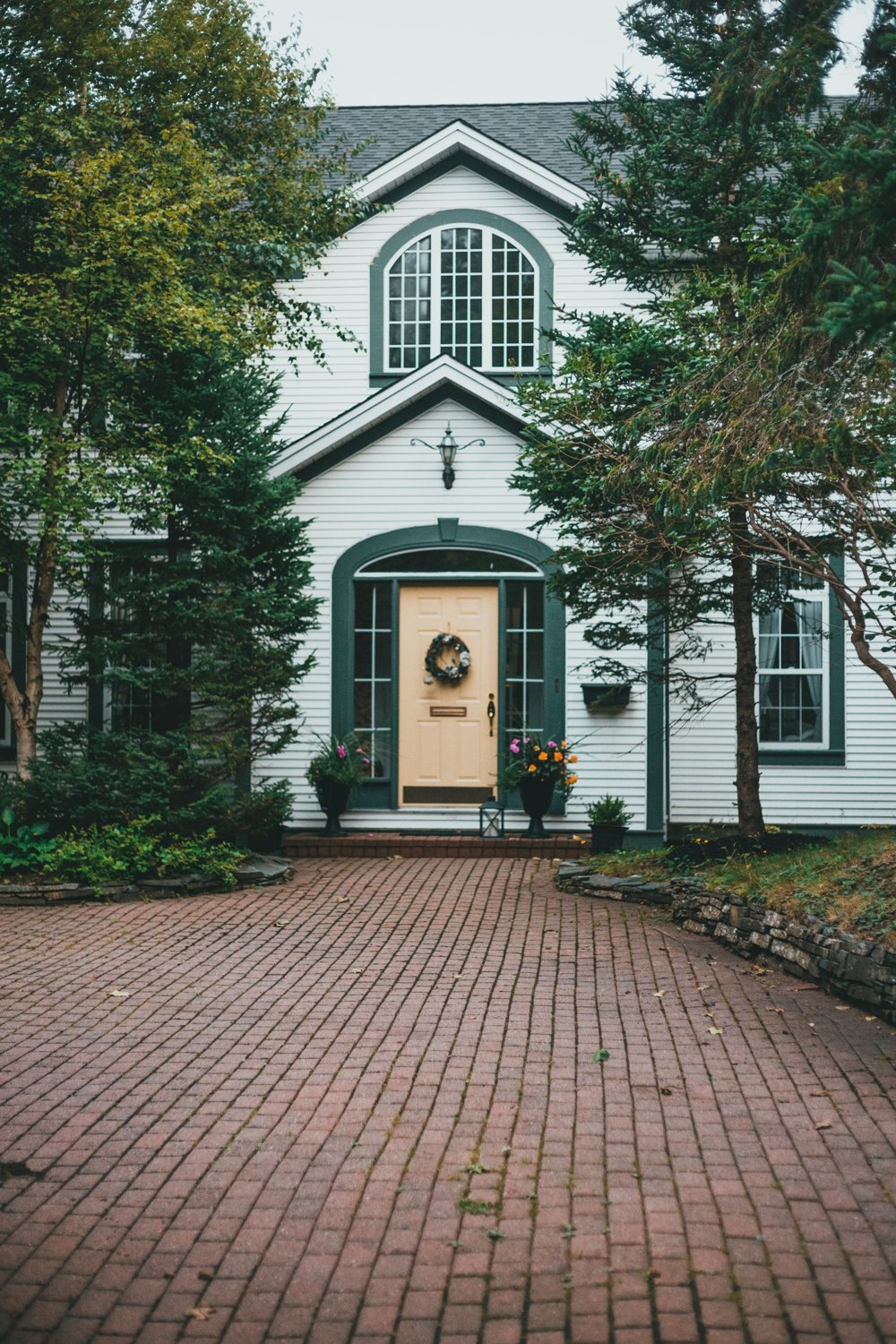
Start an alarm plan with the doors you actually use
An alarm should fit the routes people take through a home, including the ordinary side entrance.
Doors, rooms and household routines: understand what each detector is there to notice.
An alarm should fit the routes people take through a home, including the ordinary side entrance.
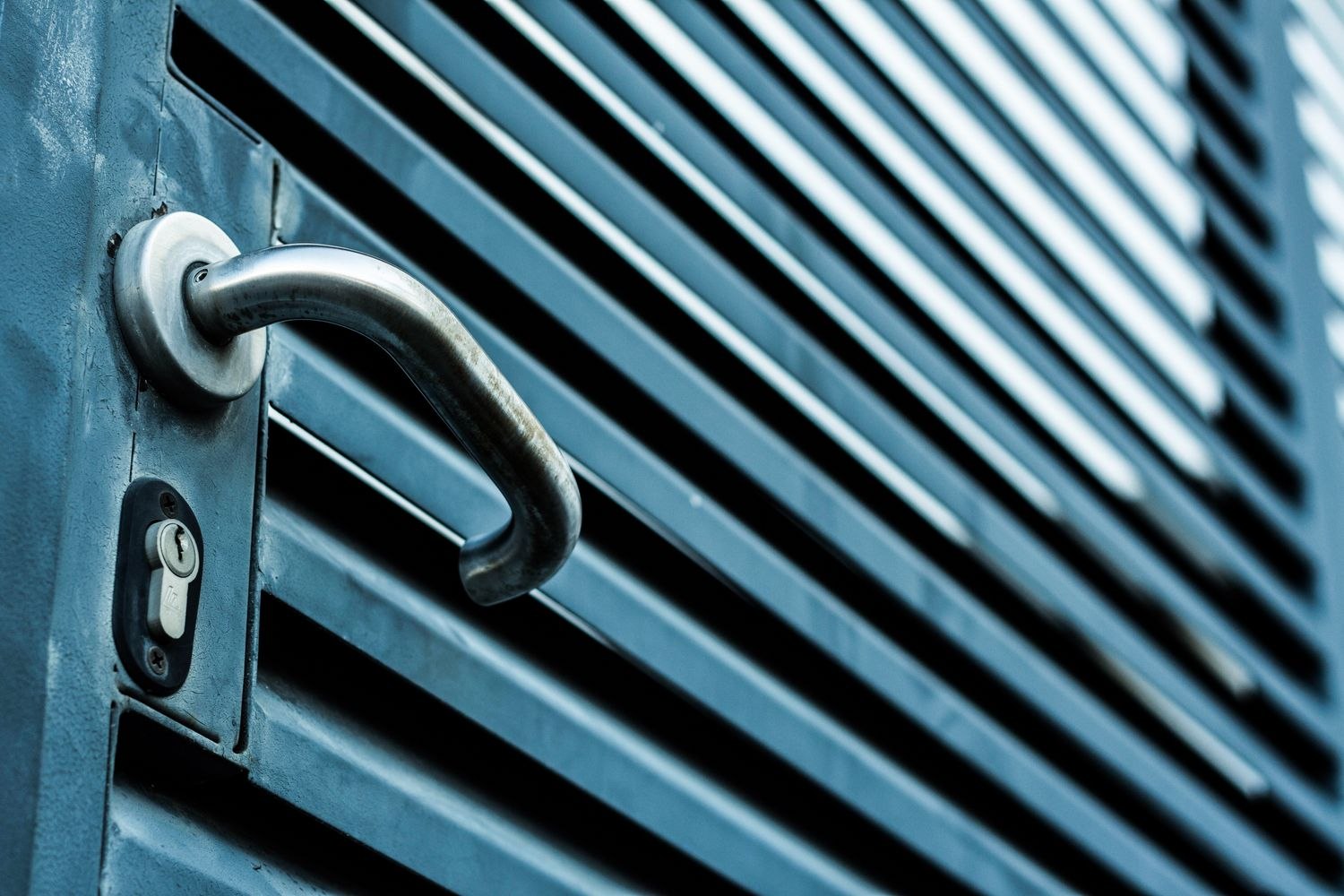
Work out where both halves can sit securely before relying on a neat-looking installation.
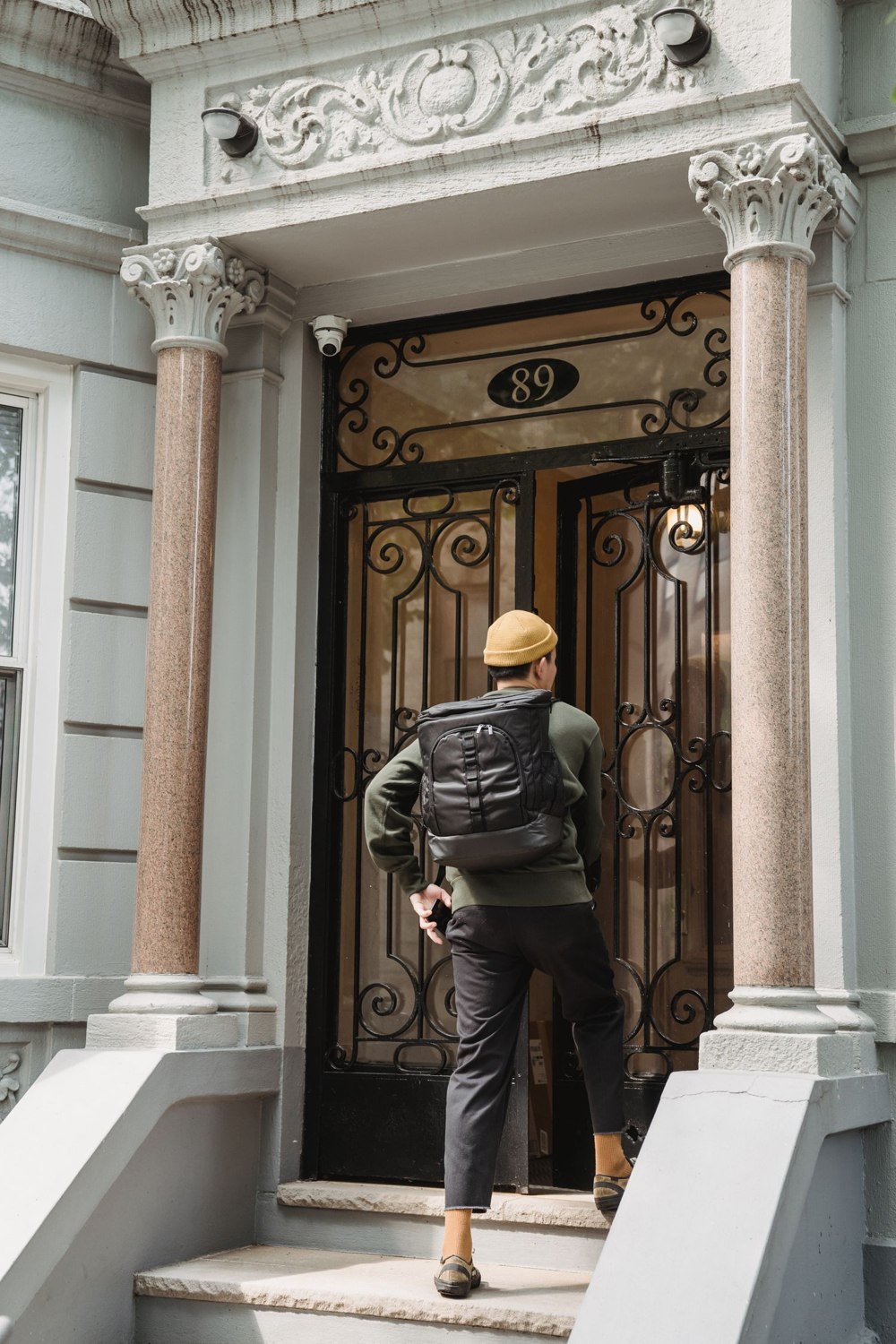
A delay belongs to a particular route and alarm configuration, not just to a number on a screen.
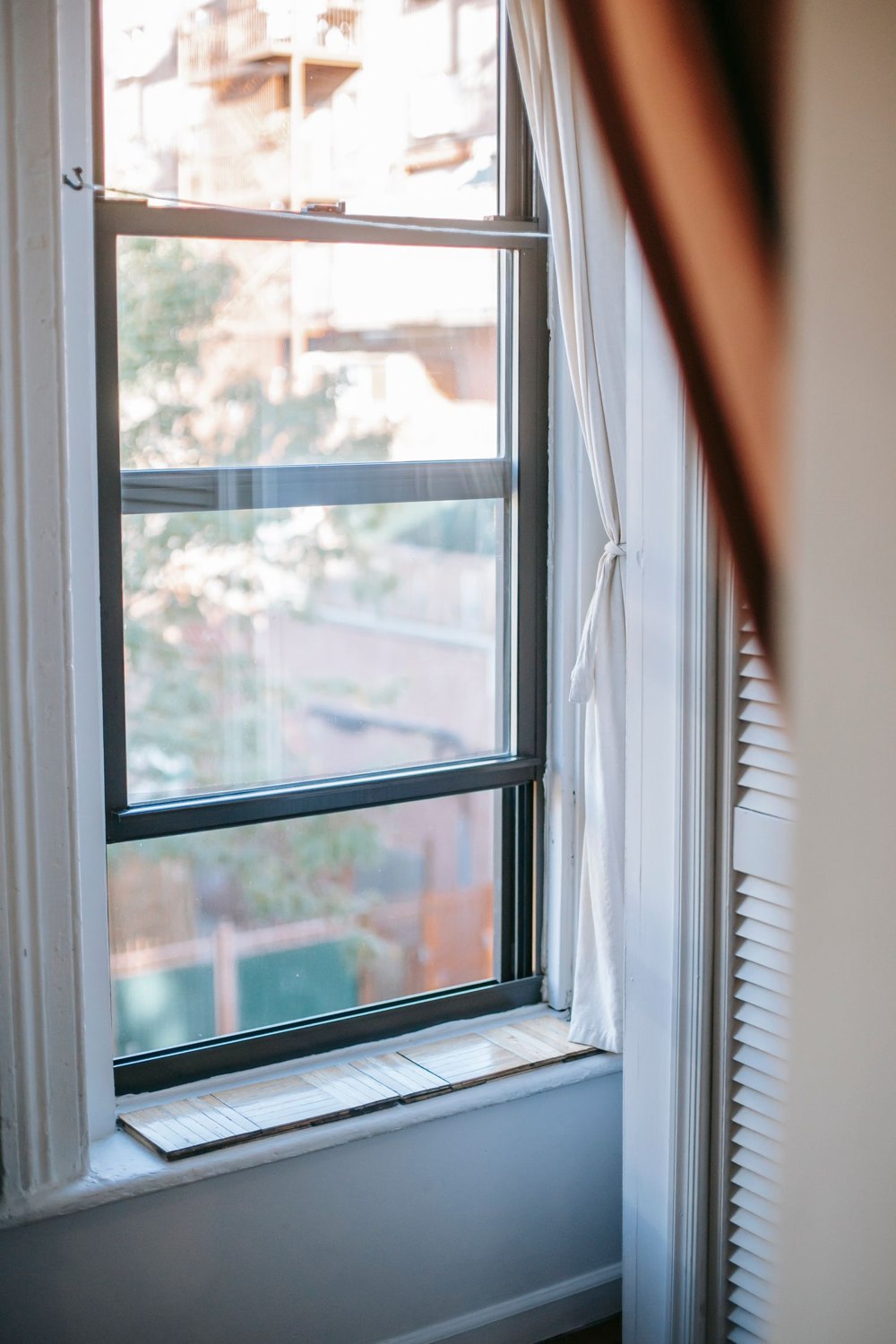
A useful notification can help with a closing routine without providing the response of an armed security system.
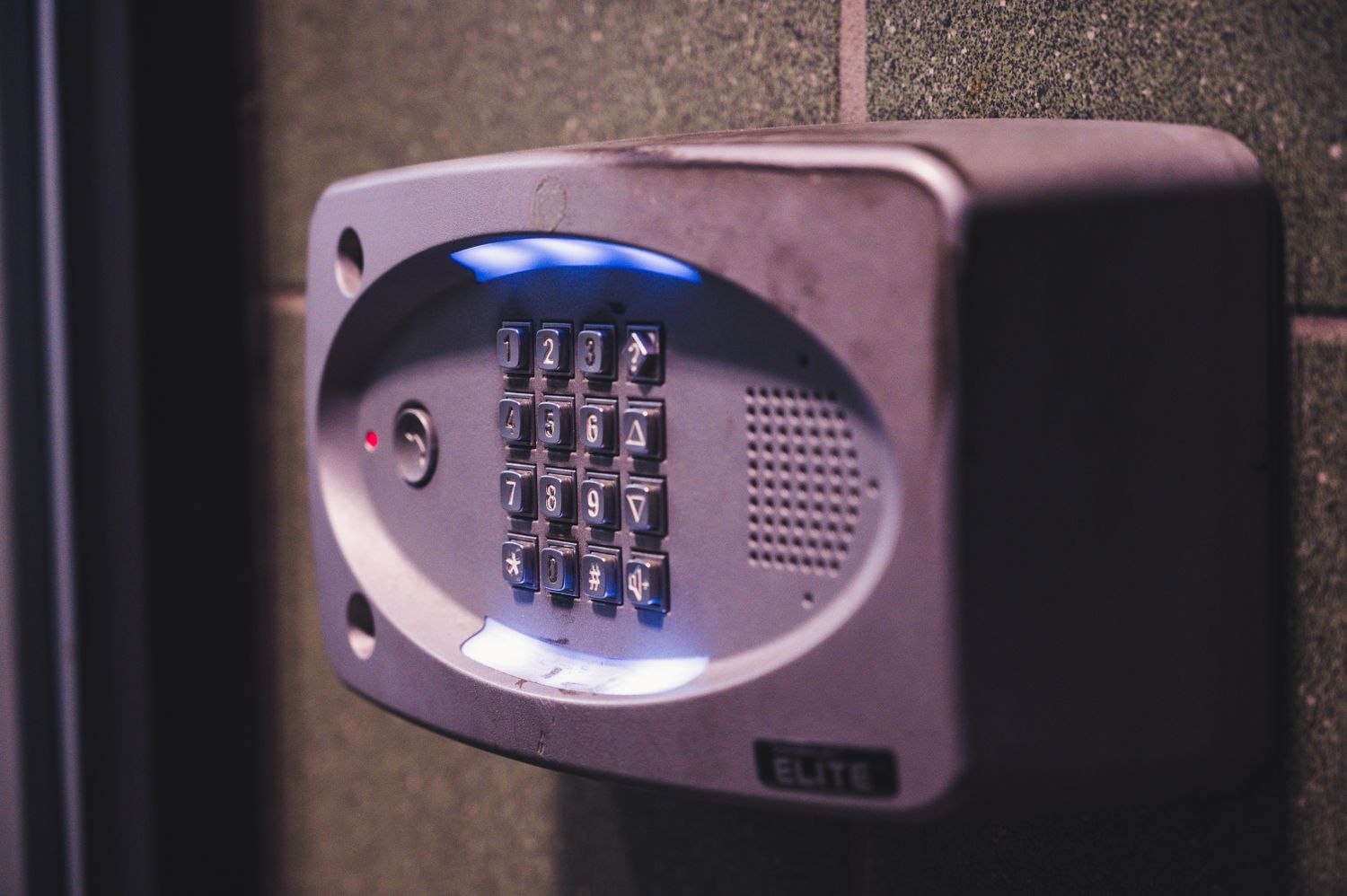
The best everyday control is the one household members can use reliably at the entrance.
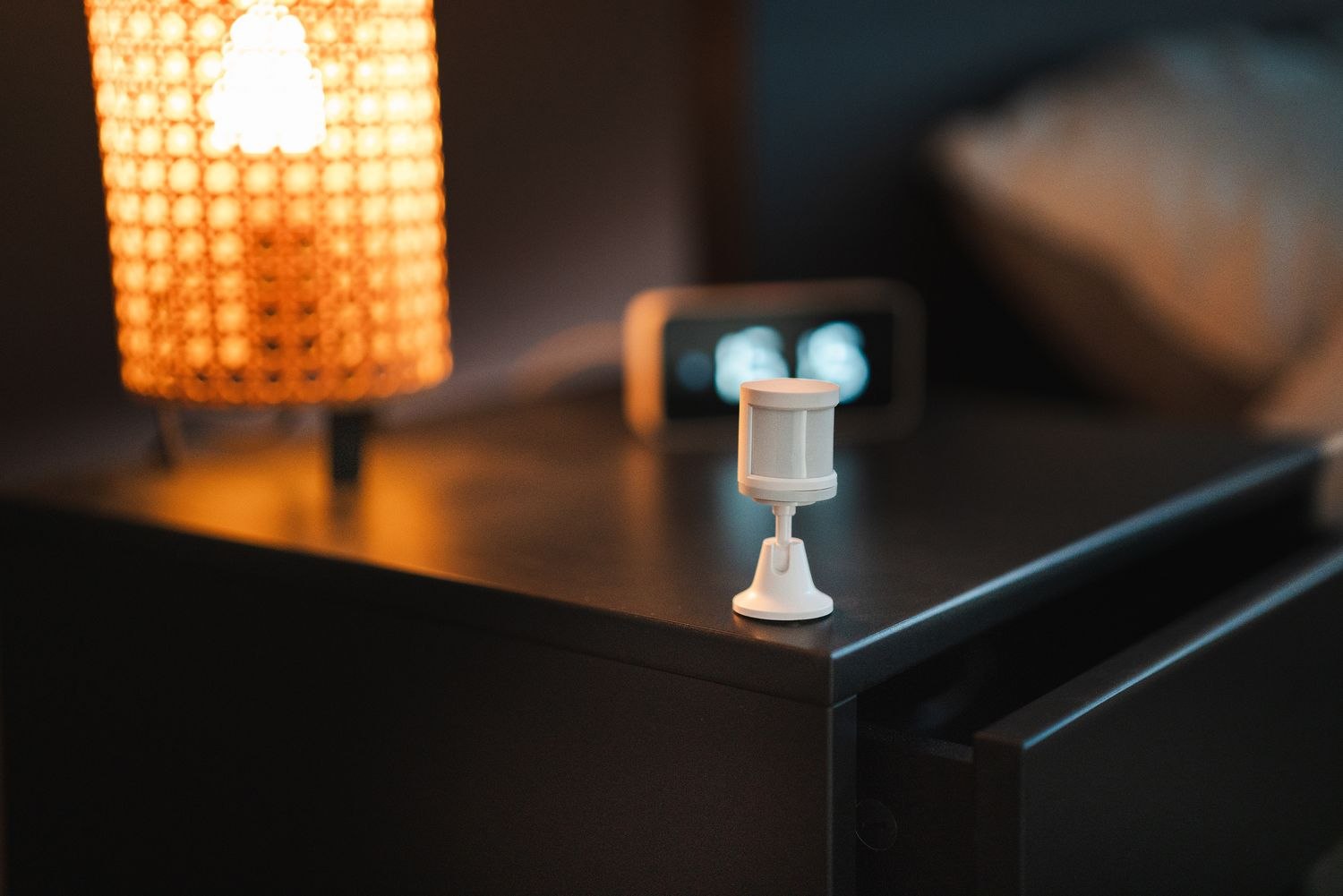
Room shape, heat and ordinary movement matter as much as the empty corner that looks convenient.

A pet-friendly label still needs to be read alongside the mounting instructions and the animal's normal routes.
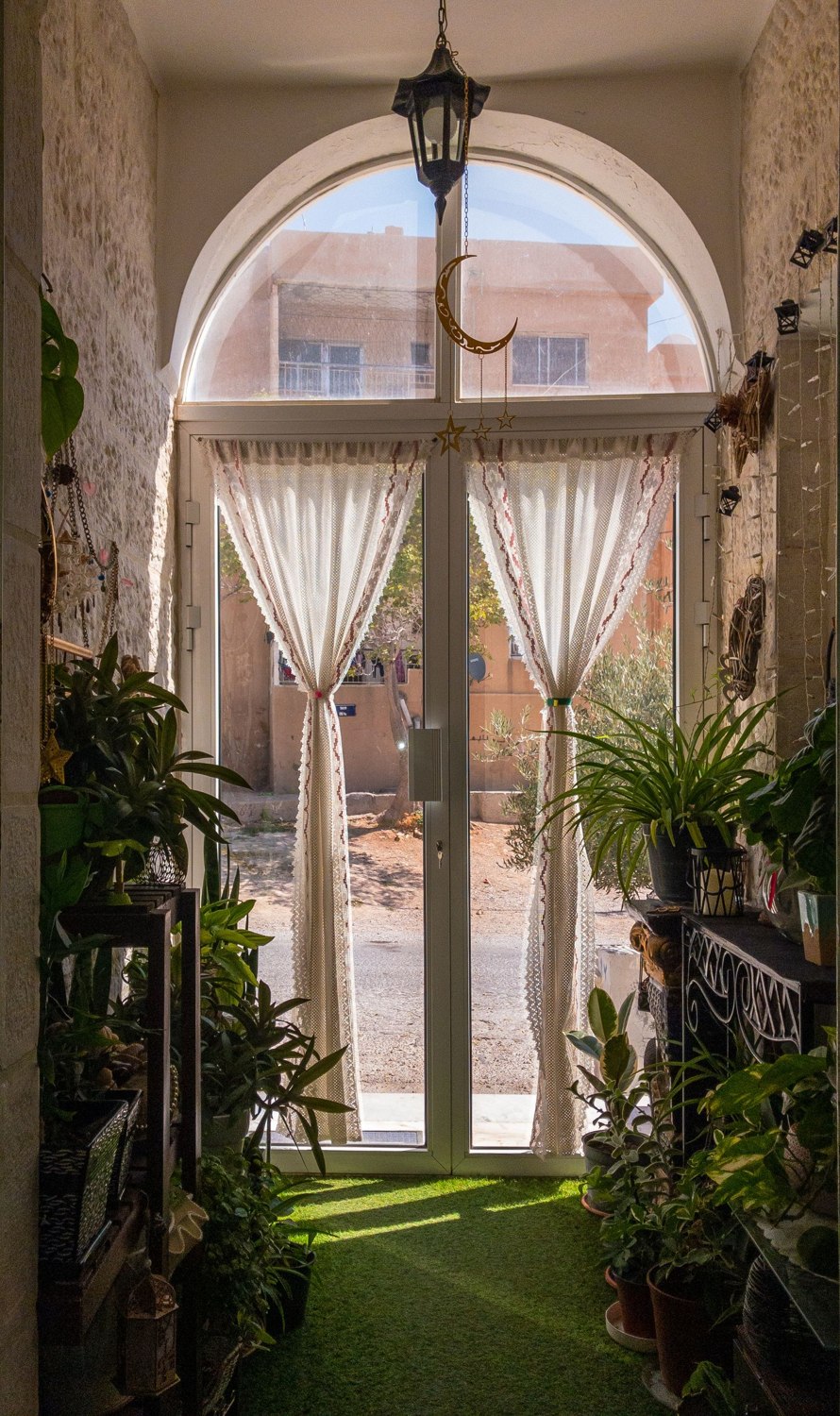
Glass type, furnishings and room boundaries can change what an acoustic detector can hear.
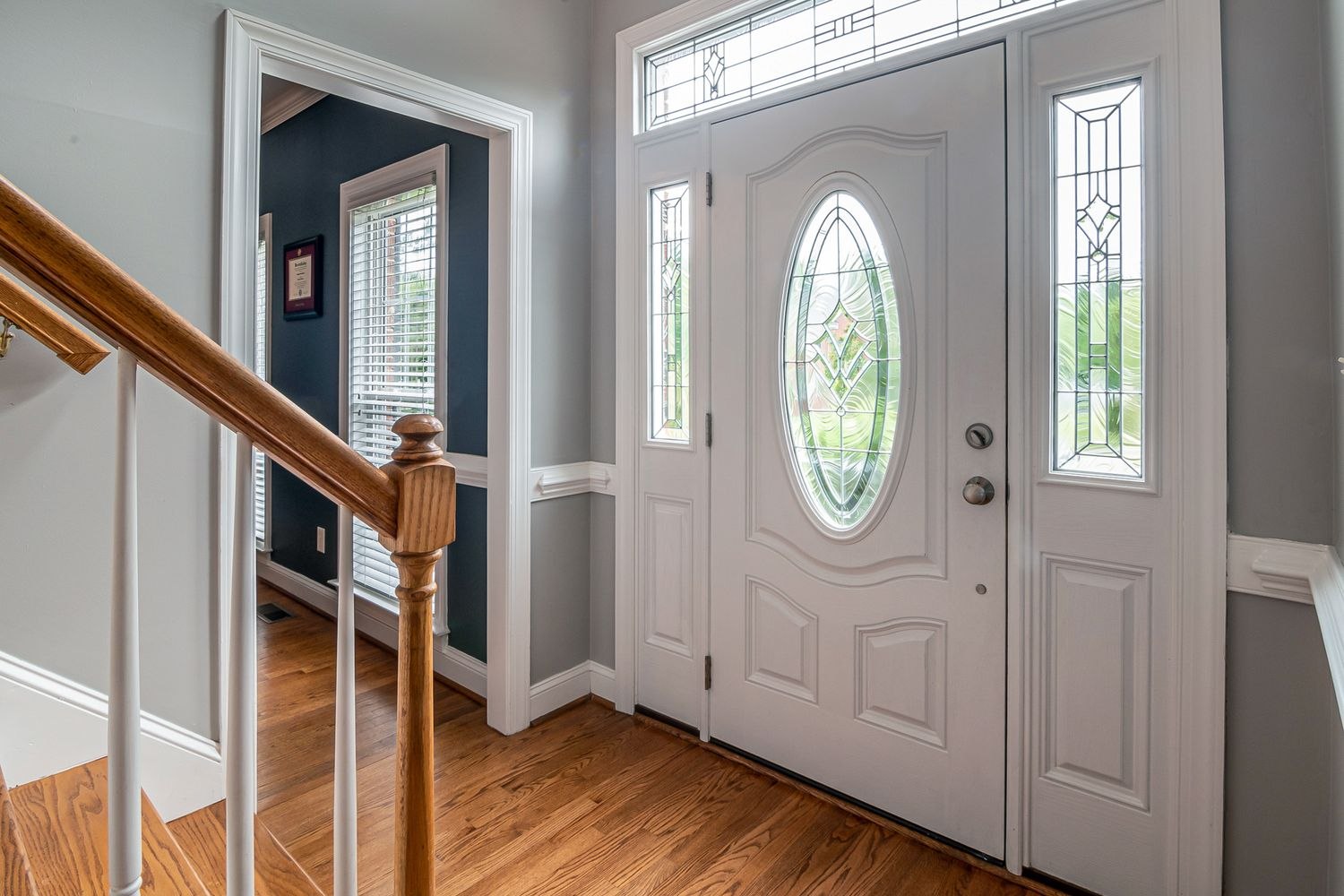
Familiar mode names are only labels until you check which devices and responses sit behind them.

Agree who will respond and where to find verified information before a loud or unexpected event occurs.