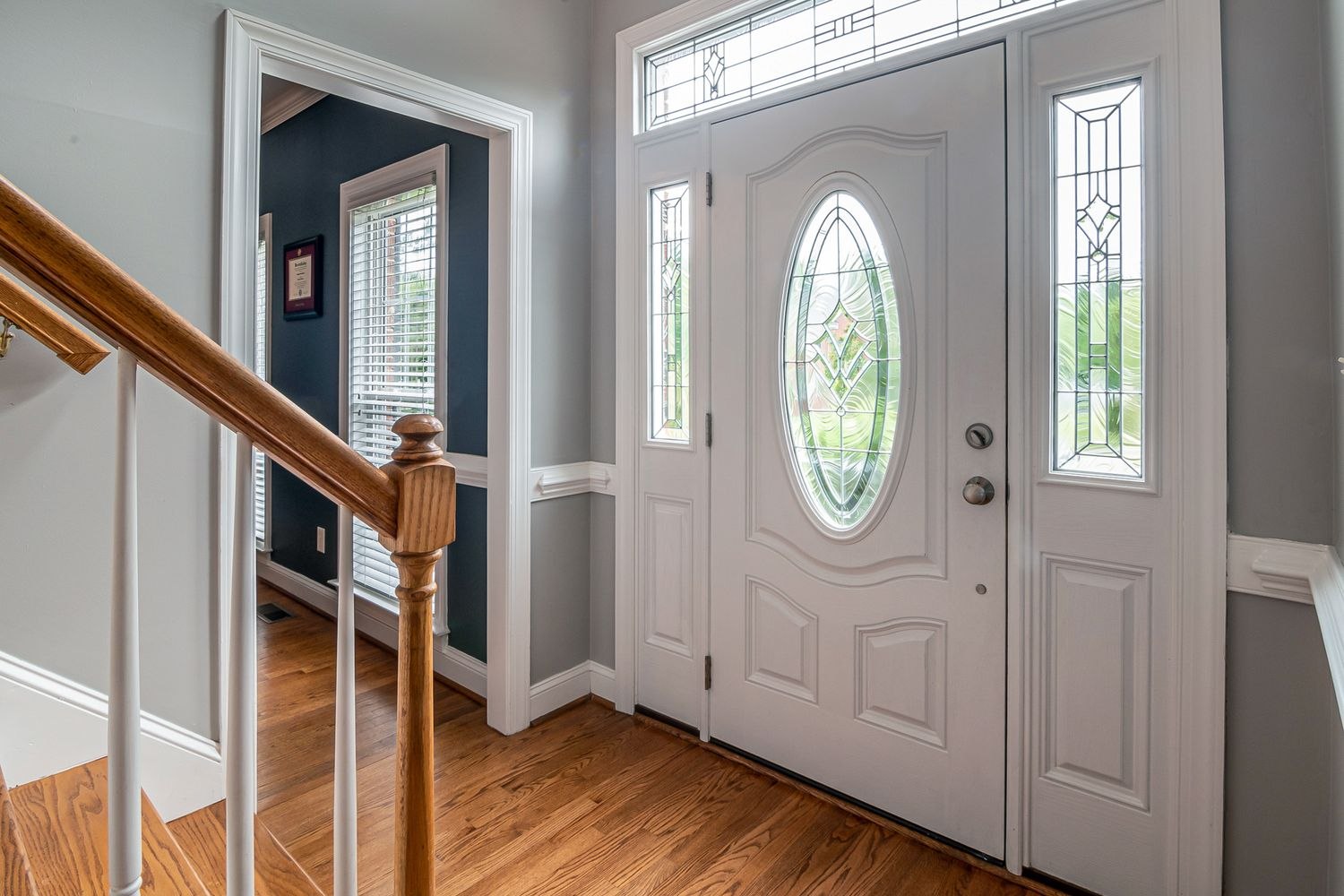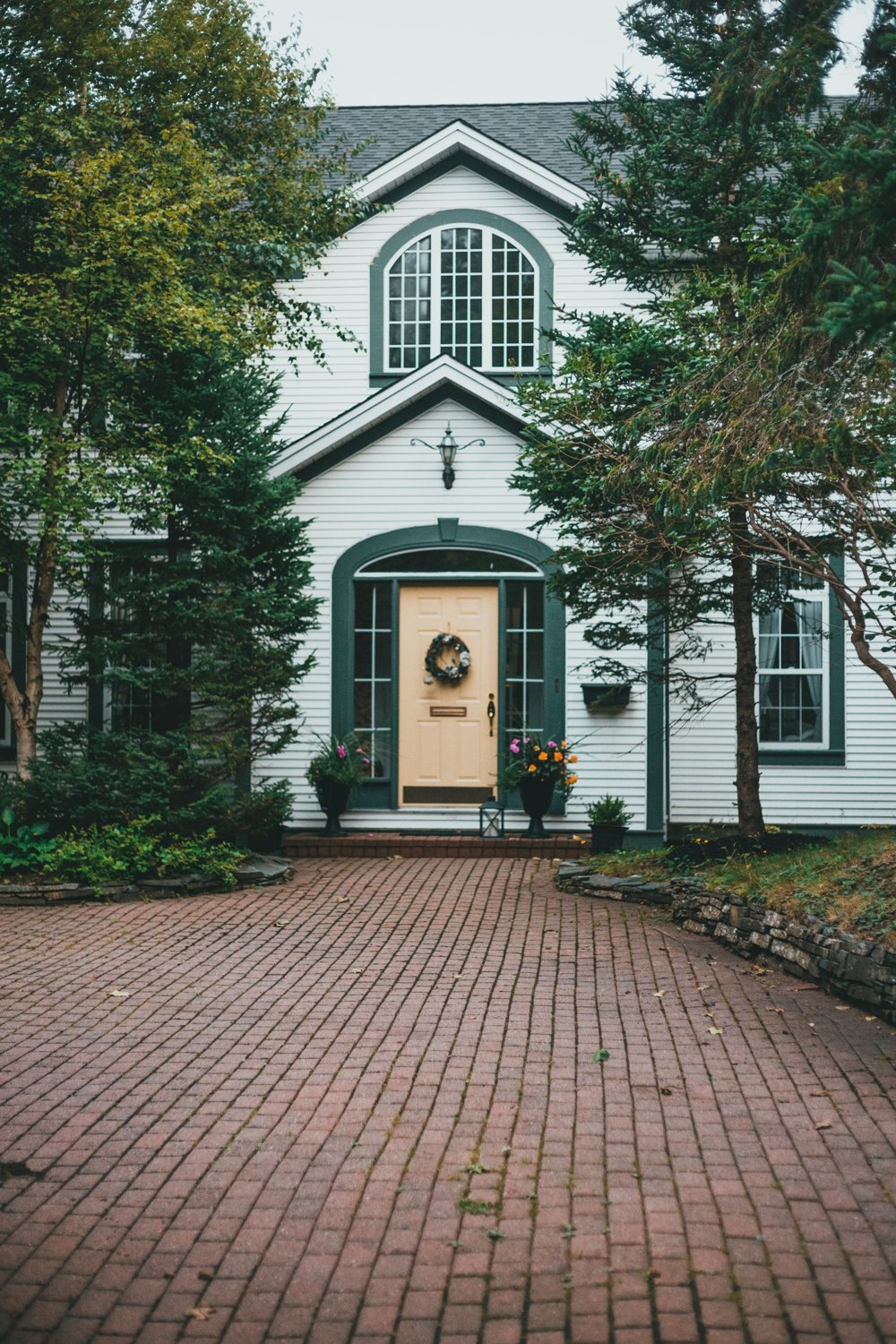
The front door is the obvious place to begin an alarm plan, but it is not always the door a household uses most. Shopping may come in through the garage. Children may return through a side entrance. A patio door may be opened every evening for a dog. Write down those routes before deciding how many sensors belong in a starter kit.
Walk around the property with a short list of exterior doors and accessible windows. Record how each one opens, whether the frame offers a stable mounting surface, and whether it is used while someone remains inside. This is a planning exercise, not a reason to buy every kind of detector. The first task is to understand what you need the system to notice.
Follow a normal arrival
Imagine arriving with bags in both hands. Which door opens first, where is the keypad, and can the person using it reach it without passing another detector? Entry and exit behavior must be configured according to the alarm manufacturer's instructions. A frequently used door needs the appropriate device role; giving it a reassuring name in the app is not necessarily the same thing as changing how it behaves.
For example, Ring distinguishes sensor placement settings used for entry-delay behavior. Other systems use their own terms and rules. Do not copy a delay or sensor setting from a different brand simply because the screen looks similar. Read how your system handles the route from the entrance to the disarming point.
A door sensor normally reports its own open or closed state. It does not establish that the door is locked. Keep that distinction clear in the household routine, particularly if an app displays a neat row of green icons before bedtime.
Plan for people staying at home
Nighttime use needs a separate conversation from leaving the property empty. Someone may need to walk to the kitchen or open a particular door without triggering the same response used when everyone is away. Review the supported home and away modes, then test the intended arrangement with everyone informed and any monitoring provider's required test procedure in place.
Give devices names that make sense to another person: “kitchen patio door” is clearer than “sensor 4.” Avoid names that depend on a temporary room arrangement or on who happens to sleep there this year. Keep a small diagram with the device names so a warning points to an identifiable place.
Before finishing, walk the ordinary arrival and departure routes again. Confirm that each opening changes state correctly, that people understand how to disarm, and that the expected notifications reach the right users. If a configuration causes repeated nuisance alarms, investigate the route and settings rather than leaving a sensor bypassed indefinitely. A simpler arrangement that the household can use consistently is more useful than an elaborate one people quietly work around.