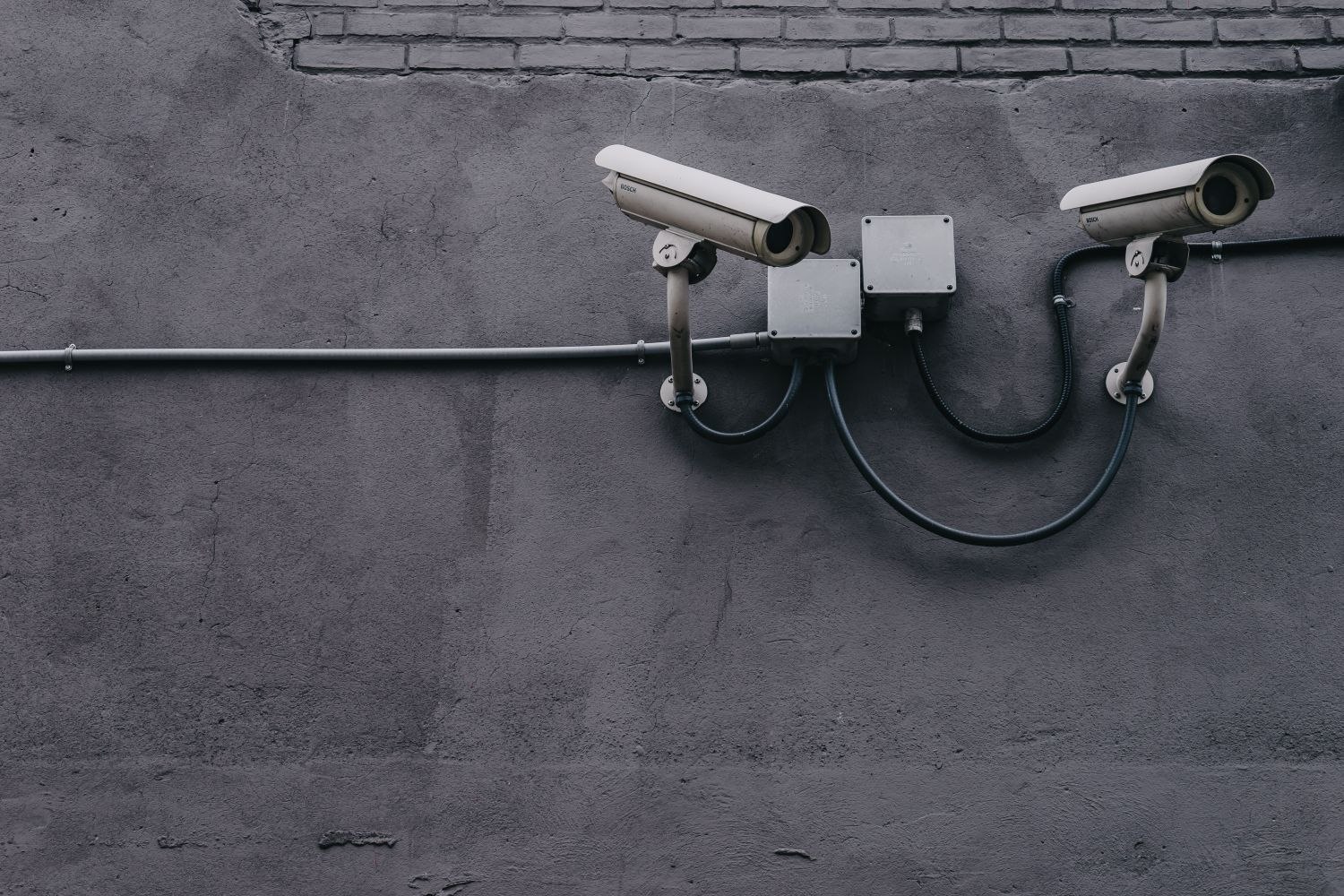
A camera can be affordable to buy and still depend on a recurring service for the feature that persuaded you to choose it. Before activating a trial, separate the equipment's basic functions from the functions supplied by a subscription.
Make a short list in ordinary language: answer the door remotely, review yesterday's arrivals, download a clip, receive a person alert or keep a continuous timeline. Then check each item against the exact camera model and the current plan terms. A service comparison table can combine several device families, and not every feature applies to every one.
Start with the recording you expect
Event history and continuous history are different products even when they appear in the same app. Check how much history is retained, which recording modes qualify and whether the camera's power arrangement affects eligibility. A longer retention period does not restore footage the camera never recorded.
Find out what happens when the plan ends. Can you still view live video? Will new events be saved? How long can you reach existing recordings? The answers vary, so use the provider's current documentation and preserve needed files before cancellation or a trial expiry.
Count the right devices and locations
One plan may cover a single device while another covers eligible devices at a location. A second property, additional account owner or particular camera type may be treated differently. Compare the cost of the setup you actually intend to maintain, including the next likely camera, rather than comparing only the lowest advertised monthly figure.
Consider who needs access. A household member who can answer a doorbell may not need permission to change billing, remove devices or download all recordings. Check the supported invitation and permission arrangements before sharing an owner login to fill a gap.
Look at the exit as well as the signup
Check renewal frequency, cancellation procedure and whether any promotion becomes a different price later. Keep the confirmation and the date on which the trial or introductory period ends. Avoid relying on an old article for current pricing; service names, features and charges can change.
Local recording can be an alternative for some tasks when the hardware supports it, but it is not a direct substitute for every cloud feature. Compare retrieval, remote access and outage behavior as well as cost. A free live view without usable history may not serve the same purpose as the plan you are evaluating.
During a trial, test a normal arrival, a saved event and an export. Check the phone notifications you actually receive, then try the same workflow with another authorized household account. A trial is most useful as a way to verify a particular routine. If the paid feature does not improve that routine, there is little value in keeping it simply because it is already switched on.
A household with two doorbells and an indoor camera should check more than the advertised number of devices. The indoor camera may be used only occasionally, while one doorbell needs a longer event history. Write a small comparison with those actual needs in separate rows. Mark whether each proposed plan meets them, what still requires compatible hardware and what would stop working after cancellation. That exercise can reveal that a more expensive tier adds functions you would never use, or that a cheaper tier leaves the main requirement unmet.
Save the current terms with the purchase record. When the service changes, you will have a clear basis for reviewing what you are paying for rather than relying on a remembered feature name.