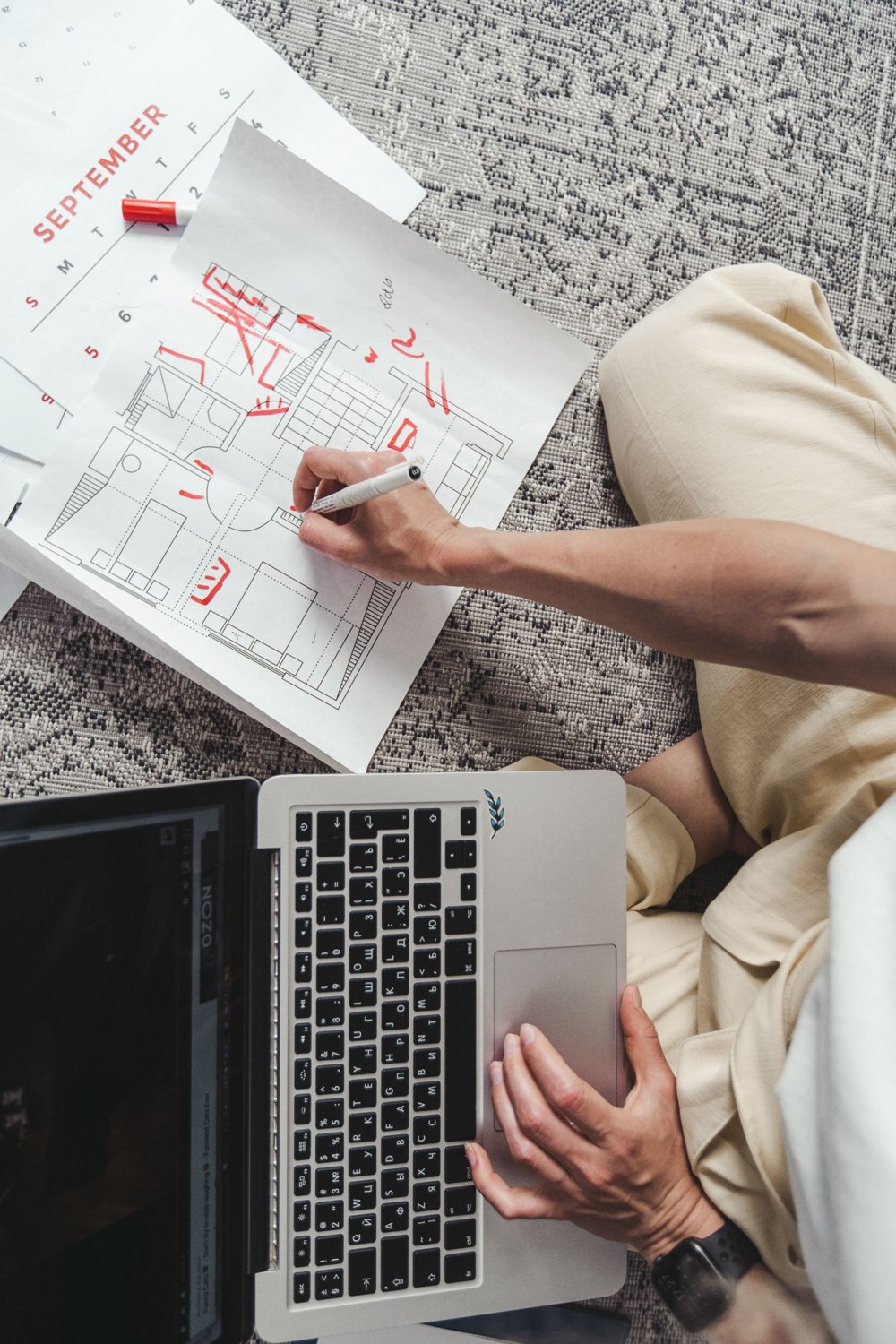
You do not need a measured architectural drawing to plan a few cameras. A sheet of paper showing the doors, windows, driveway and the routes people use is enough to reveal several problems that a shopping comparison cannot.
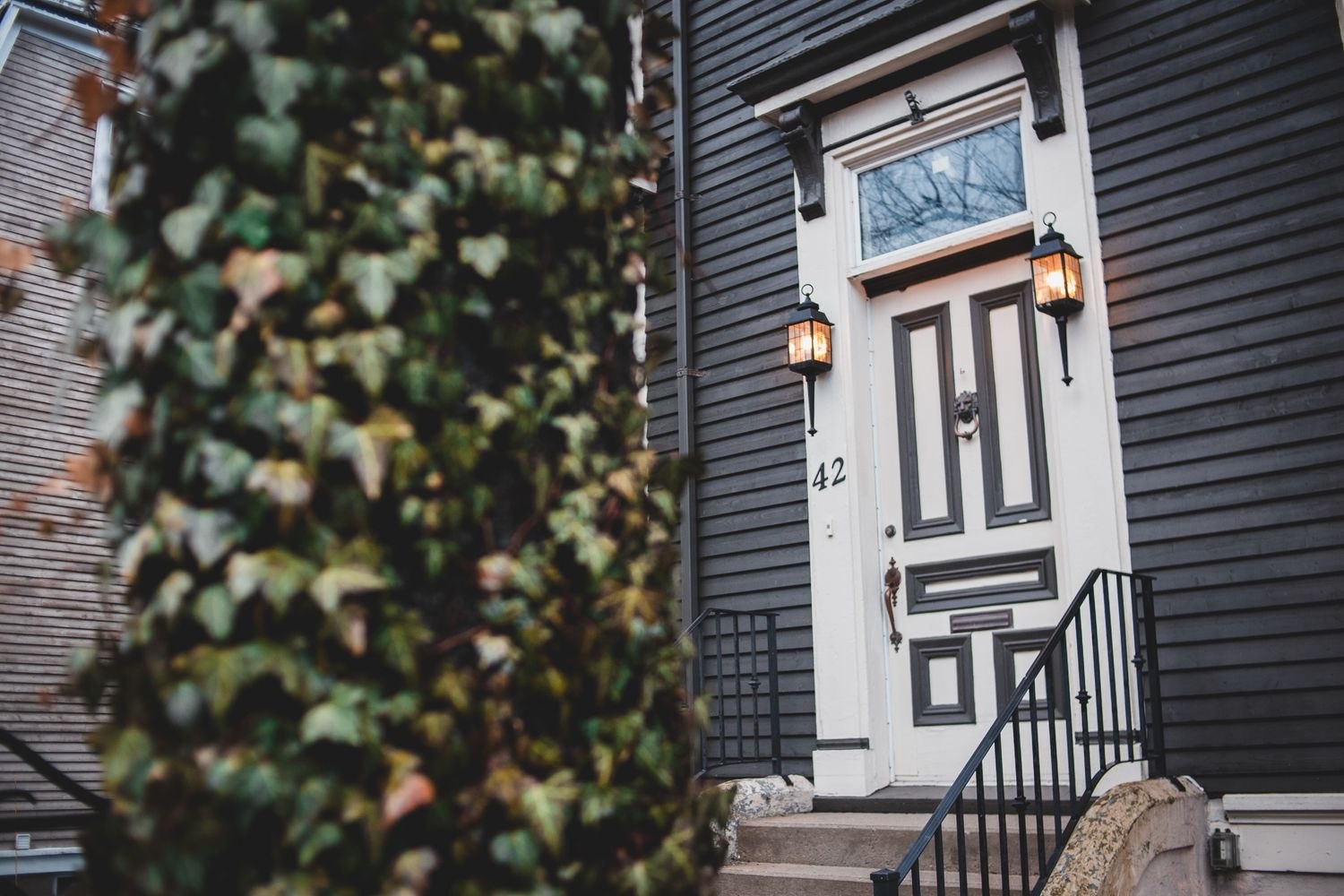
Start with the places that matter. Mark the front step, side entrance, garage door and any outbuilding you intend to monitor. Add fences, large shrubs and parked vehicles because they can interrupt a line of sight. Include neighboring entrances or windows so that privacy is considered from the beginning.
Give each proposed camera one short job description. “See a visitor approach the front door” is more useful than “cover the front.” Another camera might show whether the garage door area is occupied. If two cameras have identical descriptions, ask whether both are necessary. If one description contains three unrelated tasks, the view may be too ambitious.
Draw the view, then walk it
Use a simple wedge to suggest the direction and width of each view. This is an approximation, not a lens calculation. Mark the place where you expect the useful subject to appear, and note anything that could hide it. A vehicle parked in the ordinary space may block a low camera even though the empty driveway sketch looks clear.
Walk the route with another person. Look from the proposed mounting point where it is safe to do so; do not climb to an awkward position just to complete the drawing. A phone photograph can help record the scene, while the camera's actual preview will be needed for final setup.
Think about the opening door as part of the scene. A storm door may hide a doorbell, an open garage door may change the view and a gate can swing directly in front of the lens. Mark both normal resting positions and the movement between them.
Add the less visible routes
Use another line for power and data. Show where a plug, network cable, wireless link or cellular connection would come from. A good image position can still be an unsuitable equipment position if the supported cable cannot reach or the wireless signal is unreliable there.
Mark how you will reach the device for cleaning, charging and repair. If servicing requires a ladder over a flower bed, write that down now. It may change the choice between battery equipment and an appropriately installed permanent supply.
Make a second pass after dark
Add porch lights, headlights from the road and any bright reflective wall. The daytime and nighttime scene are not identical. A position that avoids direct rain may sit close to an overhang that reflects infrared illumination, so the final camera test still matters.
Keep the sketch with your equipment notes after installation. Update it when a camera moves or landscaping changes. It should remain simple enough that another household member can understand which view serves which purpose. The finished drawing is not a guarantee of complete coverage; it is a record of deliberate choices and the limitations you already know about.
Use the sketch during the first playback review. For each marked route, note whether the arrival was visible in daylight and after dark, whether the event was actually recorded and how it could be retrieved. “Side path hidden by parked van” is a useful finding even if the camera is otherwise working well. It tells you which ordinary condition still needs attention.
Keep this document private to the people managing the property. A coverage plan does not need passwords, access codes or account recovery details written on it. If you share a limited installation question with a supplier, provide only the relevant section rather than a complete map of the household's equipment and routines.