An indoor camera can answer a straightforward question: did the dog settle after everyone left, or is water reaching the floor beside the utility sink? That does not mean the whole room needs to remain under observation throughout the day.
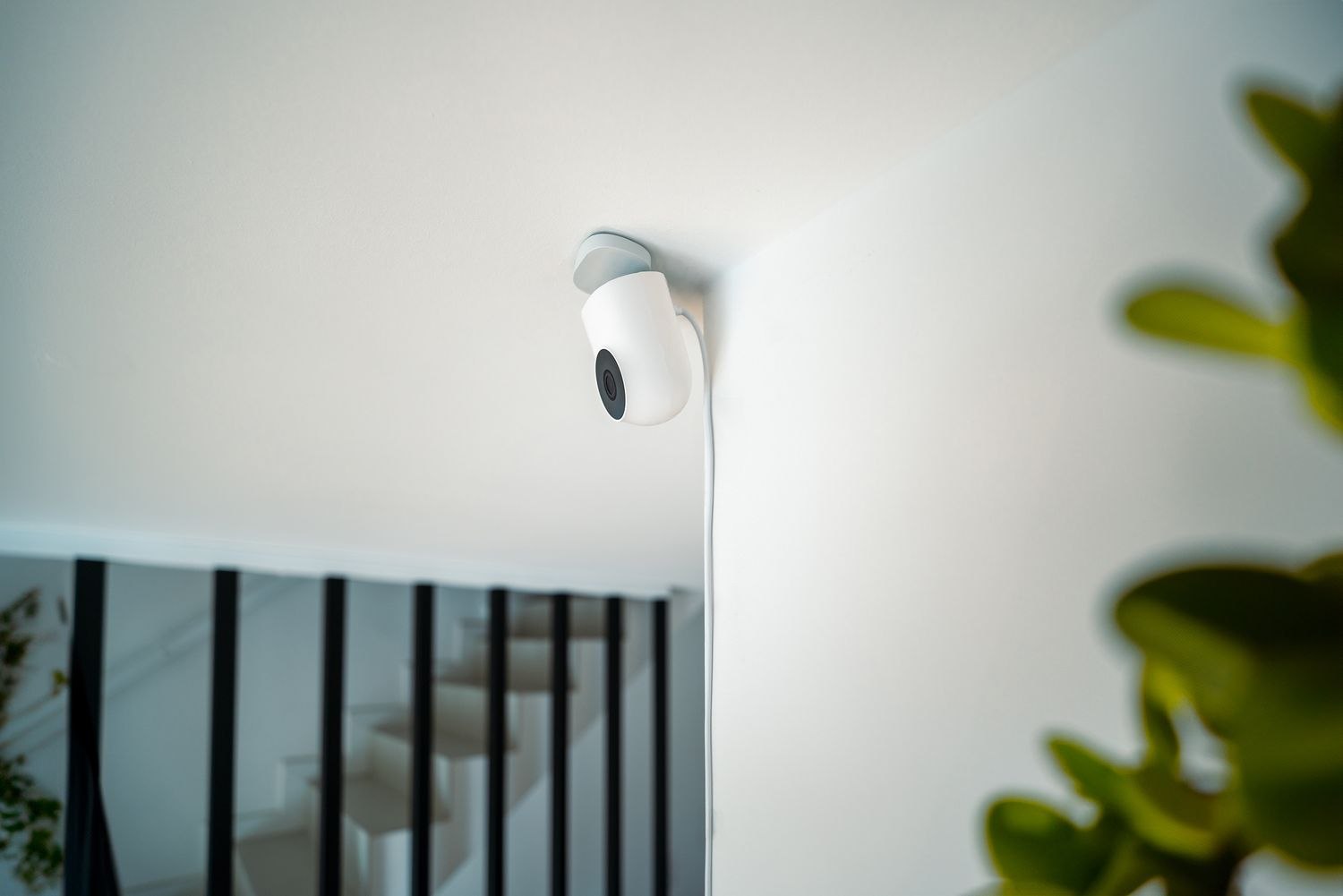
Write down the purpose before choosing the location. If the concern is an entry door, frame the doorway instead of the sofa where people spend their evenings. If it is a pet resting area, check whether a lower, closer position can show that area without including a work desk or a hallway leading to private rooms.
Agree on when the camera is used
Everyone who lives in the home should know where the camera is, what it captures and who can open the live view. A visible camera is easier to discuss than a hidden one. Keep general household surveillance out of bathrooms, changing areas and private sleeping spaces. A dedicated care-monitoring arrangement is a separate decision with its own purpose and privacy boundaries.
Some products offer schedules, home-and-away automation or a physical privacy shutter. These are different controls. Turning off notifications may leave recording active. Stopping recording may still leave live viewing available. Read the description of the actual setting, then check the result from another authorized account if the system allows it.
For a camera used only while the home is empty, a clearly understood manual routine can be preferable to automation that depends on every resident carrying a correctly configured phone. If you do use automatic presence detection, test what happens when one person stays home and another leaves.
Limit who can look
Use individual accounts and the smallest useful permissions rather than sharing the owner's password. Protect the owner account with a unique password and multifactor authentication when supported. Check old invitations after a house sitter or relative no longer needs access. A camera's usefulness should not depend on an expanding group of people keeping a shared login secret.
Sound deserves its own decision. An image of a sleeping pet might be enough; capturing conversations from an adjacent room adds information you may not need. Review audio controls separately from video settings.
Finally, open a saved clip and look beyond the intended subject. A computer display, letter on a counter or reflection in a mirror can enter the frame unnoticed. Move the camera or change the view when the household layout changes. The aim is a limited, understandable tool that fits everyday life.