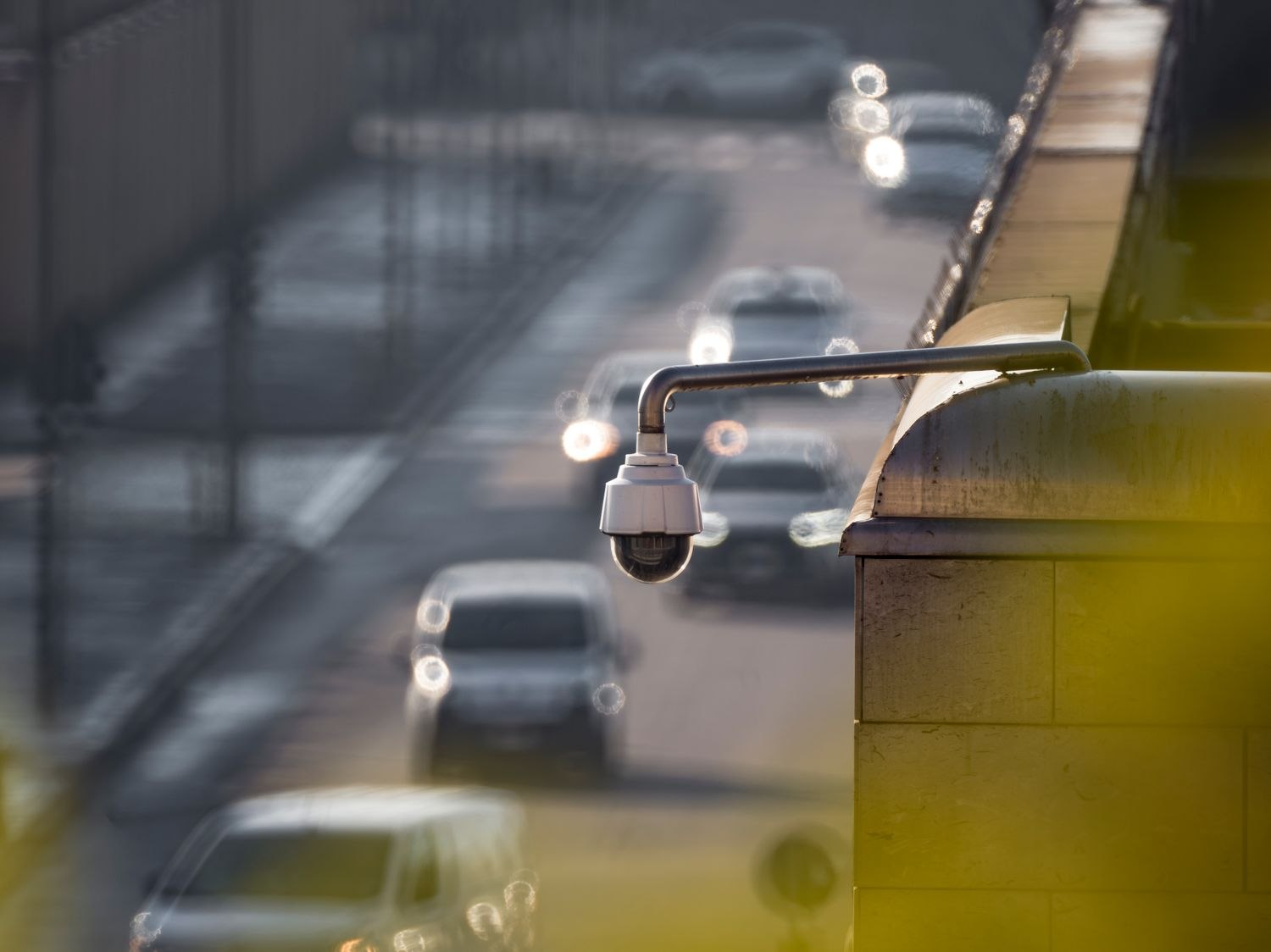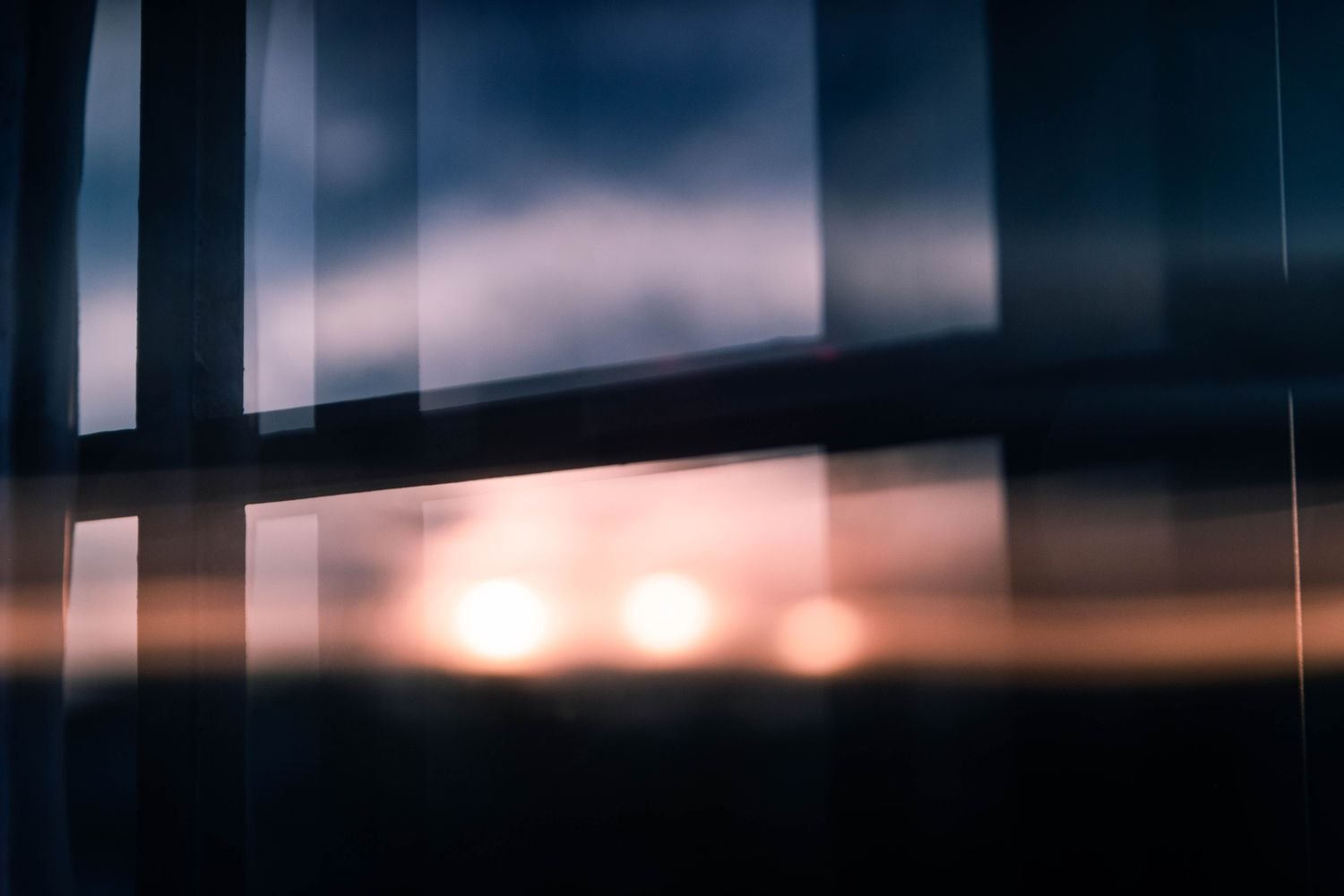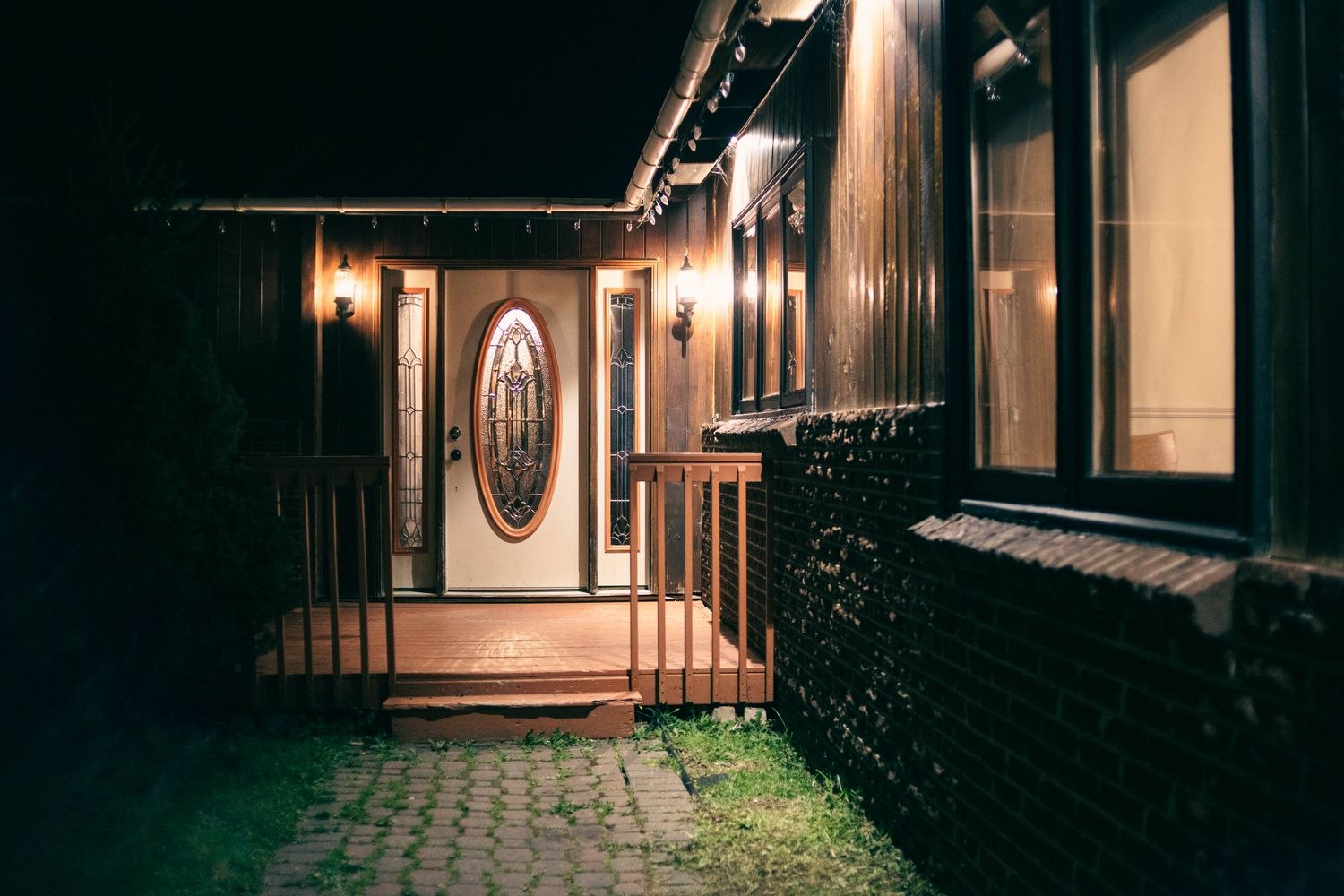
A porch light should help people see the step, find the doorbell and avoid an obstacle. The camera needs to share that space without looking directly into the brightest part of the fixture. When it does, the saved image can show a glowing lamp and an unexpectedly dark visitor.
Begin with the whole scene. Is the light itself inside the frame, or is it reflecting from a glossy door, pale wall or glass panel? Is the camera beneath the fitting, looking across the fitting, or pointed toward a light farther down the path? These arrangements produce different problems, so increasing brightness is not always helpful.
Change the view before changing the bulb
A small permitted adjustment to the camera angle can move the light source outside the view while preserving the approach. Check the resulting picture carefully: avoiding glare should not mean losing the place where someone waits. If the fixture or camera needs relocating, consider the wiring and mounting requirements rather than improvising a shield around electrical equipment.
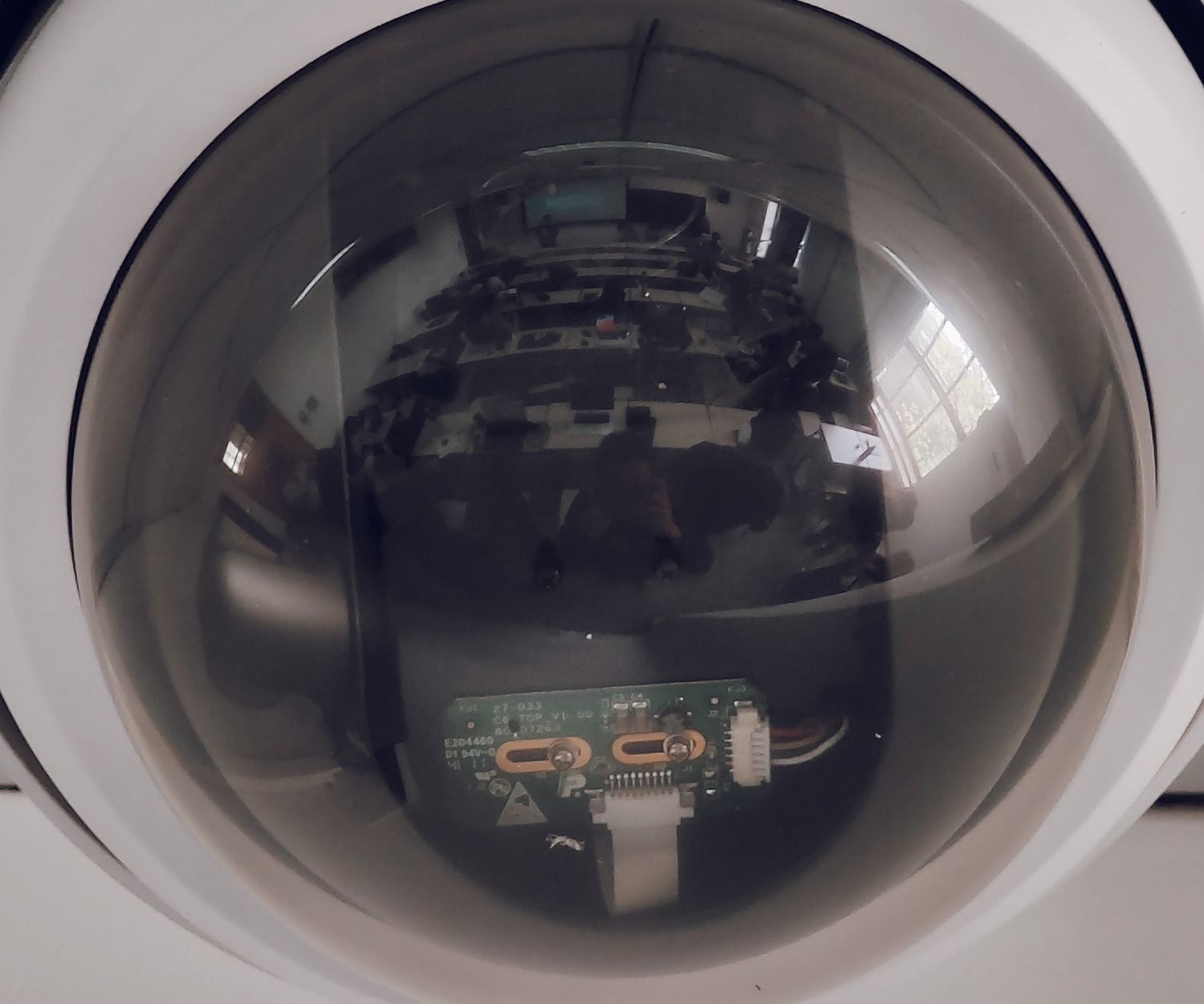
Inspect the lens and protective cover. Moisture, dust and spider webs can scatter light and create a halo. Clean only as the device manufacturer recommends. A bright smear that stays in the same part of the image may have a different explanation from a moving patch that appears only when a car passes.
Test the transition
Motion-activated lighting adds another variable. Watch a saved clip from before the light comes on until the visitor reaches the door. The camera may adjust exposure during that transition. What looks fine after the light settles may miss the most useful part of the arrival.
Have someone repeat the approach at an ordinary pace, without stopping to face the camera. Compare the face, the step and the parcel area. If a lighting setting is adjustable, change one thing at a time and keep a note of the result.
Keep the human purpose of the light intact. A darker porch is not a good improvement merely because it removes a bright patch from the screen. The better arrangement illuminates the walking surface and visitor while keeping direct glare away from the lens. Recheck after seasonal decorations or a replacement fixture changes the scene.