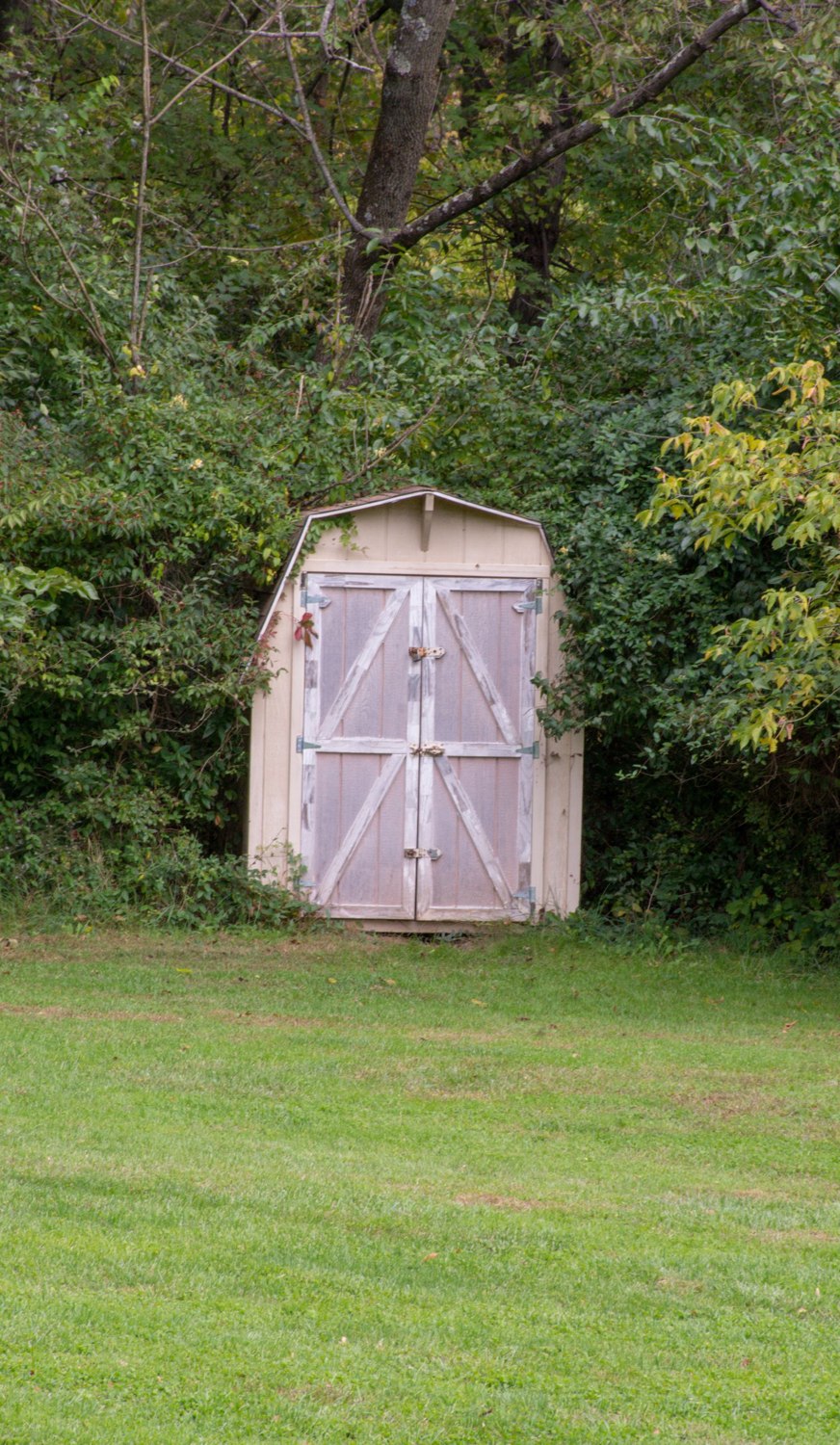
The detached workshop may be only a short walk from the house, yet it can be a very different place for an alarm device. Walls, metal cladding, temperature changes and an unreliable power supply all complicate the assumption that an extra sensor will work like the ones indoors.
First check whether the manufacturer supports the proposed use at all. Some household alarm devices are intended to remain in the same building as the base station. A radio connection that happens to appear during setup does not override that restriction. Ask about the exact model and building arrangement before buying a range accessory.
Distinguish the networks involved. A phone's strong Wi-Fi connection in the workshop does not establish that an alarm sensor's separate radio link will be adequate. Likewise, a Wi-Fi extender does not automatically extend the network used by door contacts. Match the proposed accessory to the alarm system and the problem you are actually trying to solve.
Check conditions throughout ordinary use
Look at the building with its doors closed, tools stored normally and vehicles in their usual positions. A test performed with a large metal door open may not represent the everyday arrangement. Use the manufacturer's communication test rather than relying solely on a single status icon.
Compare the sensor's operating limits with the building's likely conditions. Condensation, dust and winter or summer extremes matter even when rain cannot directly reach the equipment. Keep devices away from locations where workshop activity can damage them, and do not assume an indoor product becomes outdoor-rated inside a small plastic cover.
Plan how someone enters, disarms and leaves. A workshop user should not need broad access to the house's cameras or administration settings merely to follow an authorized routine. If the existing system cannot express the necessary permissions or modes clearly, discuss whether a different arrangement would be more appropriate.
Write down the proposed operating schedule. A workshop used while the house is empty, for example, creates a different mode requirement from a garage entered only by residents arriving home. Ask how the system handles that separation before purchasing devices. If using the workshop requires disarming more of the property than intended, the issue is the overall arrangement, not just radio range.
Access for maintenance is another consideration. A sensor high above stored timber may be difficult to reach safely when its battery needs attention. Leave an ordinary service route and avoid a location where a future inspection depends on climbing over equipment. A separate building often receives less routine attention, so straightforward maintenance matters more, not less.
Finally, decide who receives warnings when the building is empty and what can be checked locally. A disconnected sensor should not quietly remain on a long device list for weeks. Record the building's separate limitations and maintenance needs. Extending coverage is useful only when the equipment, environment and household routine all support it; distance alone is an incomplete buying criterion.