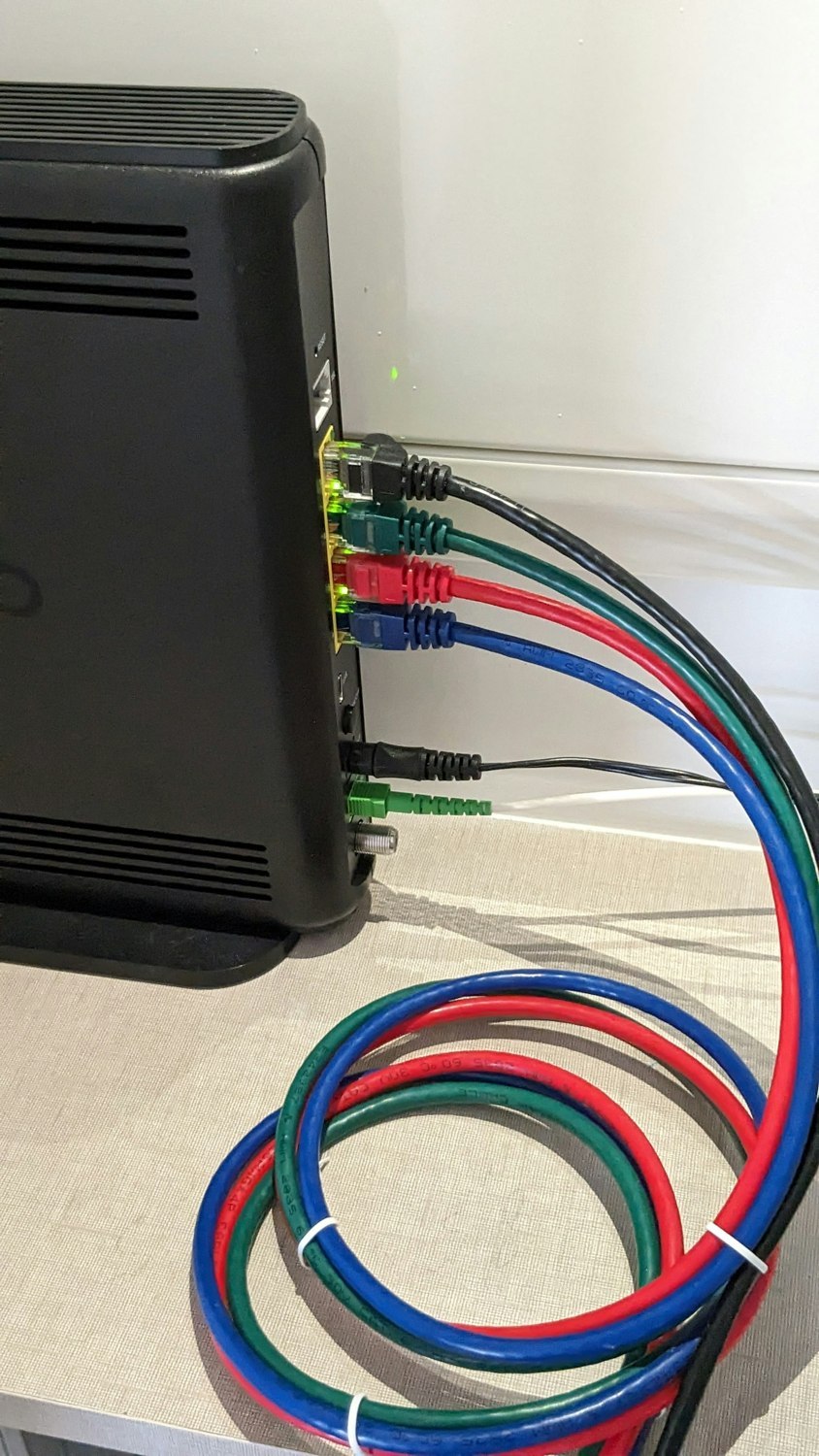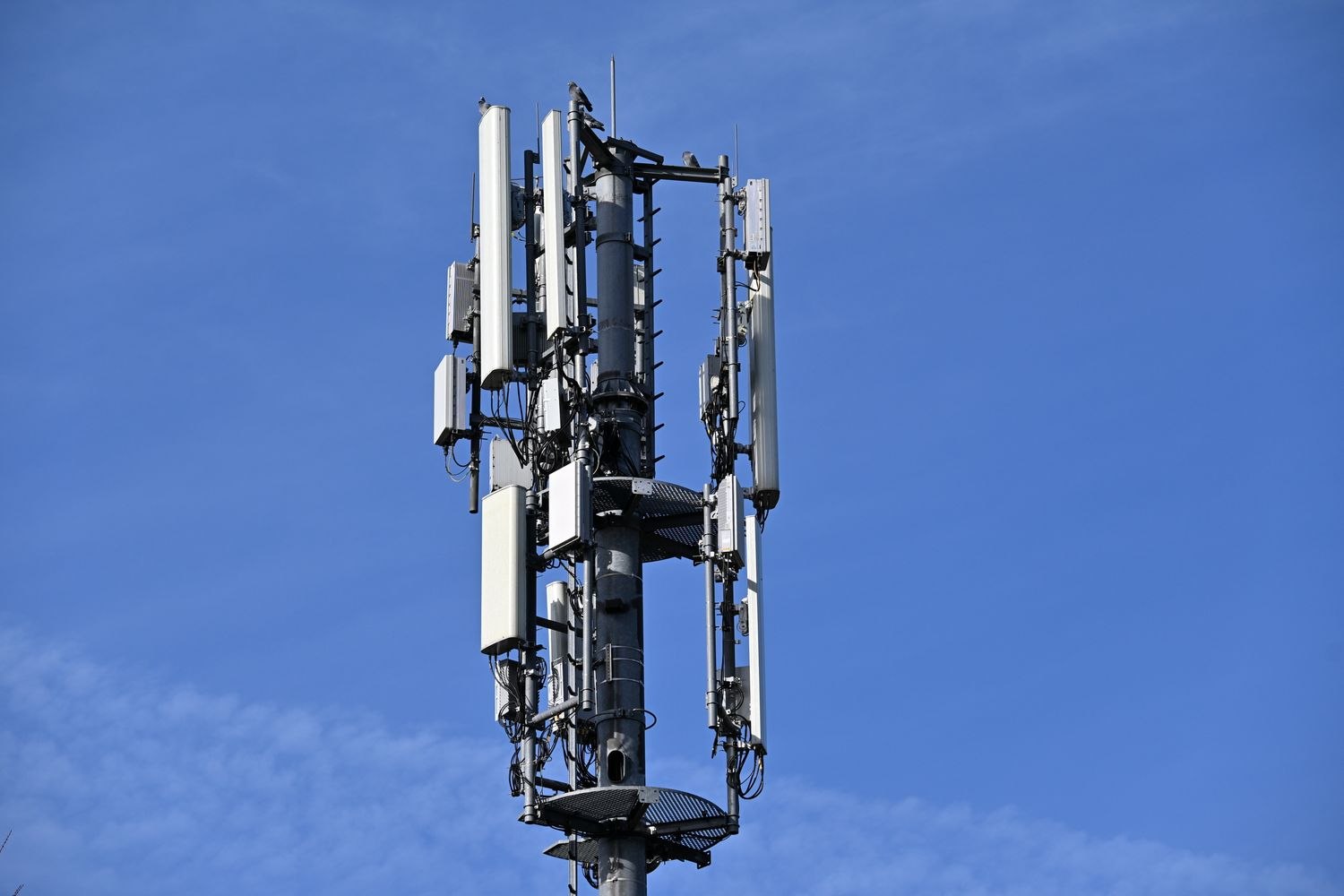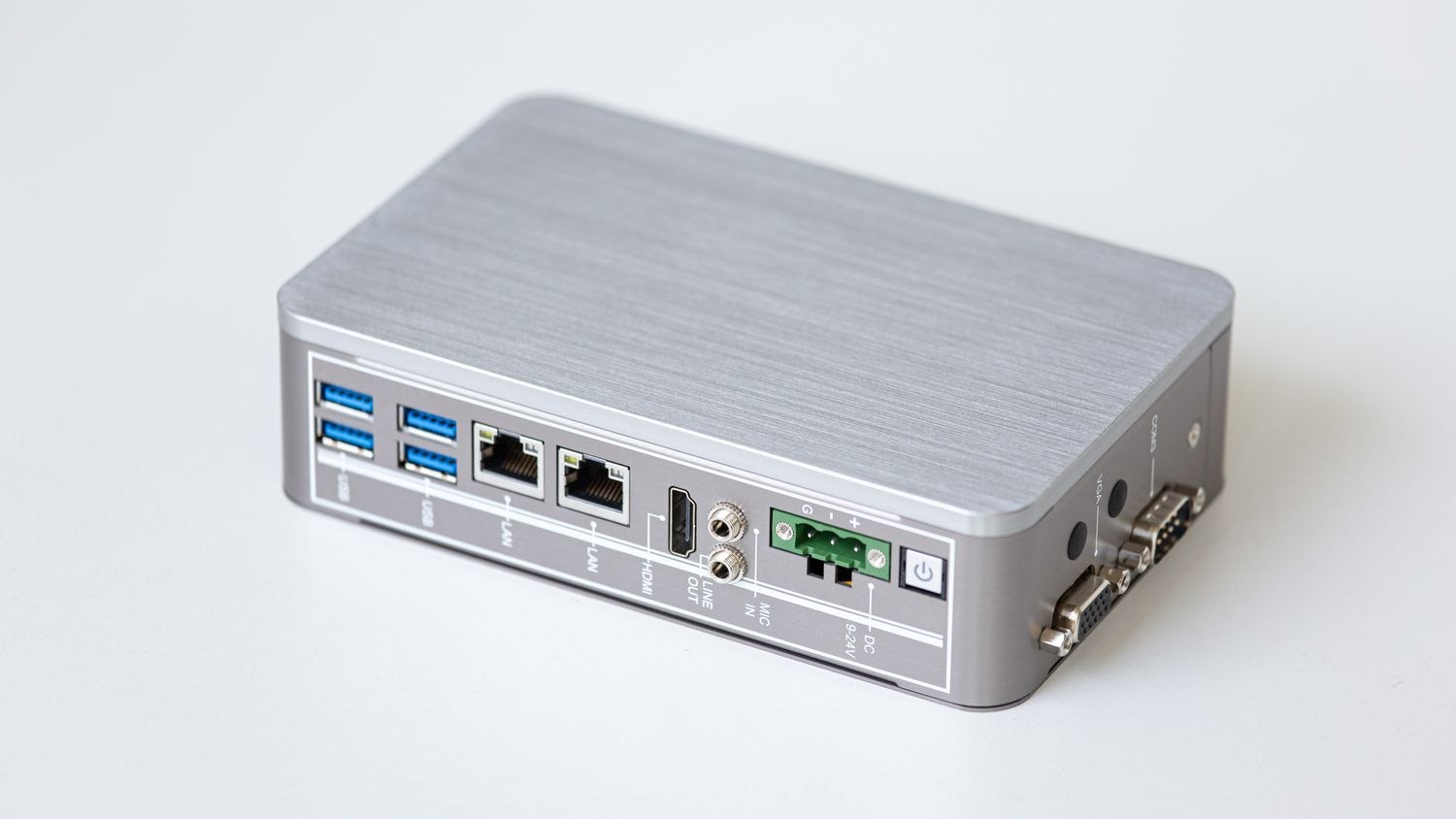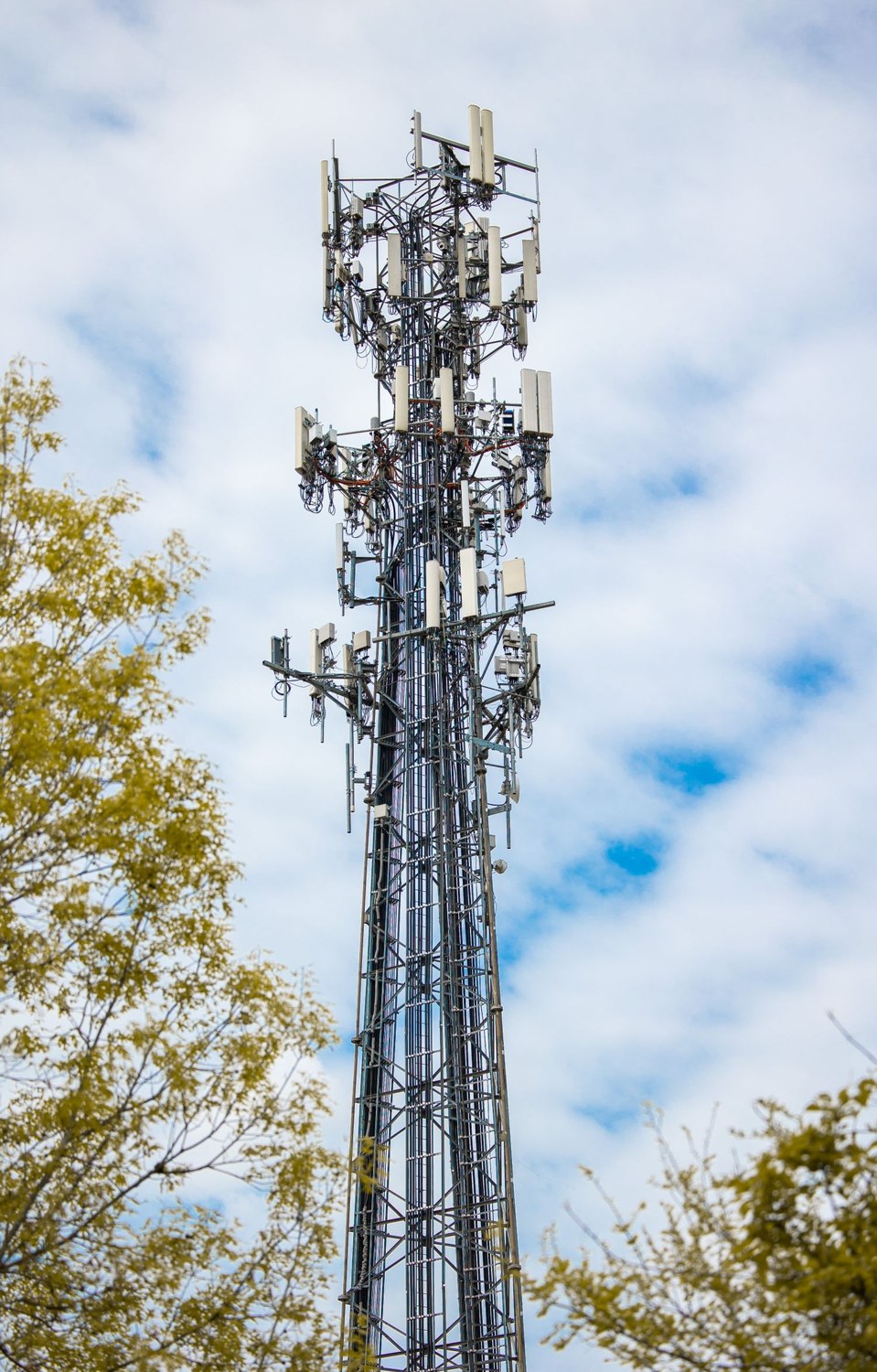
A phone showing several signal bars beside a shed is a promising sign. It is not a coverage certificate for the camera you intend to mount there. The phone may use a different carrier, a different network generation or different supported bands. Its position in your hand also differs from the final equipment position beneath a roof or inside an enclosure.
Use the phone to organize a first visit, not to finish the assessment. Note where reception seems available and where it disappears. Check the equipment supplier's carrier recommendations, then test the actual device with its intended service. Keep it at a safe, accessible temporary location while following the manufacturer's setup instructions.
The useful question is whether the required job succeeds consistently. A camera needs to establish a connection, send the relevant event and make the saved result accessible. An alarm communicator has a different reporting task, which should be tested using its provider's process. A signal display alone cannot tell you whether those operations finished.
Compare positions without changing everything
If a device struggles, record the first position and the symptom before moving it. Try an allowed nearby mounting location while keeping the SIM, settings and test routine unchanged. That makes the comparison interpretable. Moving the camera, changing carriers and lowering video quality at the same time may produce a better result without explaining why.
Consider the property as it normally operates. Close the garage door if it will usually be closed. Put the device inside its approved enclosure rather than judging reception with the lid open and the radio sitting outdoors. Check again when other equipment is running. You are looking for dependable performance under ordinary conditions, not the single best reading of the day.
A coverage map helps narrow the options, but the installed equipment still deserves this check. T-Mobile's map describes service coverage rather than guaranteeing the performance of every connected product at every mounting point. For a particular camera, the hardware and service must also be compatible.
Keep a small record of successful and failed attempts, including the approximate time and weather if exposure seems relevant. If remote access becomes unreliable later, those original observations give support something to compare with. Avoid adding an unapproved antenna or improvised cable while experimenting. A better location, an approved accessory or a different documented service may be appropriate, but the decision should follow evidence from the equipment that will actually remain on site.