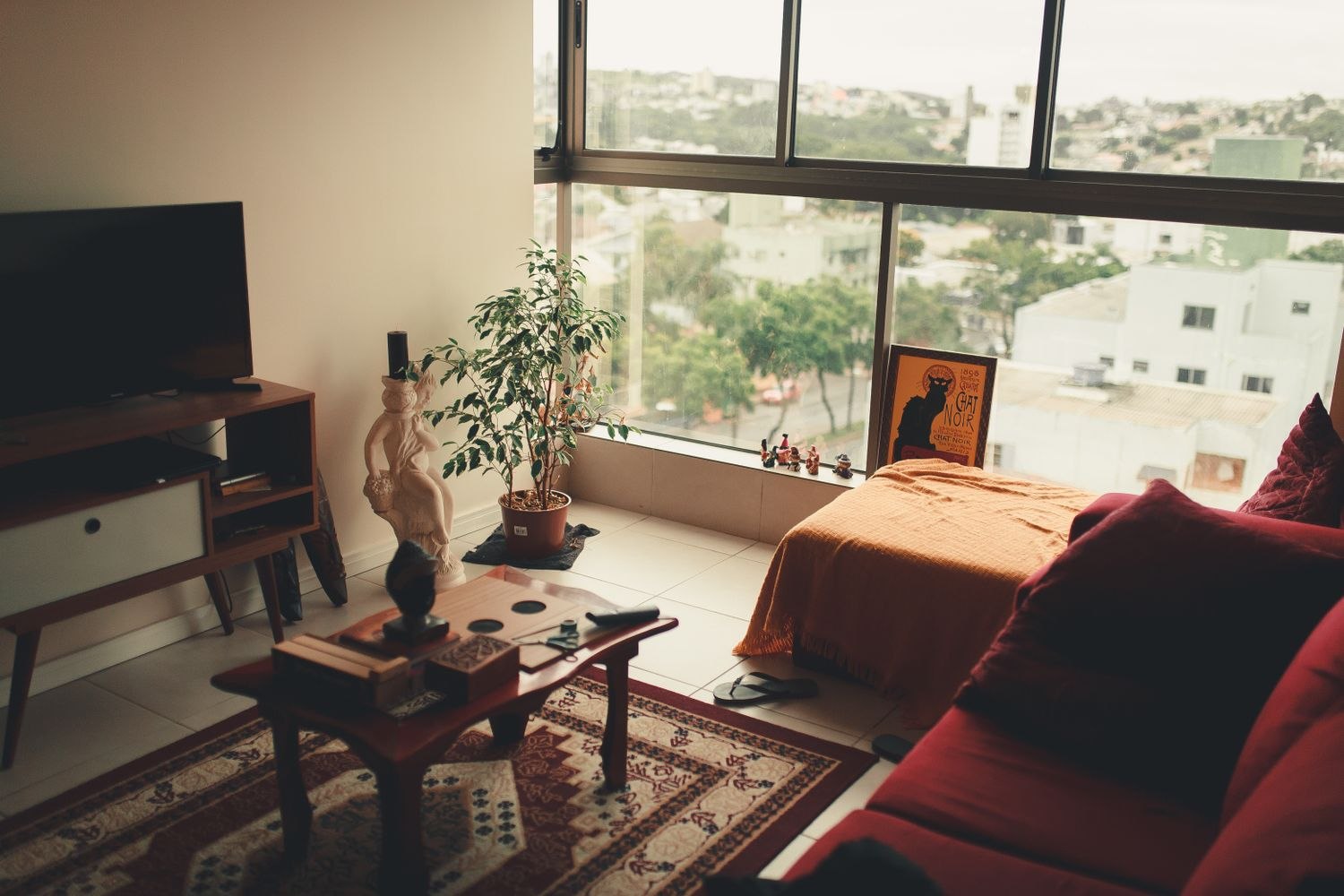
A new bookcase may improve the room and quietly block a detector. A plant that looked small in spring can fill the foreground of a porch camera by summer. The equipment has not failed; the scene it watches has changed. Include a quick coverage check when rearranging the space.
Look from the device's position rather than from the middle of the room. For a camera, open the actual view and compare it with the area you intended to see. A phone photograph from nearby can help you plan, but it does not reproduce the camera's lens or final framing.
For a motion sensor, consult its placement and test instructions. Ring's guidance highlights obstacles, heat sources and moving objects as relevant to false alarms and coverage. A new chair can also give a pet access to a place closer to the detector, changing the situation even if the sensor itself remains untouched.
Test an ordinary route
Walk the route the device is intended to notice using the supported test mode. Avoid treating a dramatic wave directly in front of it as a complete check. The useful question is whether a normal approach through the relevant part of the room is detected as intended.
For a camera, review a saved event as well as the live picture. Check the beginning of the approach and any area hidden behind the new object. If the view is less useful, moving the plant or furniture may be simpler than moving and reconnecting the equipment.
Consider movement over time. A hanging decoration, fan or curtain can enter the scene only under certain conditions. A plant may sway toward the lens in wind while looking harmless on a still afternoon. Observe the situation that originally produced an unwanted event before changing sensitivity.
If the camera is repositioned, recheck the privacy and motion settings against the new view. Do not assume a previously configured area still aligns with the same physical window or walkway. Look again after dark if the change introduced a nearby reflective surface.
Keep the check proportional to the change. Moving a small ornament may need only a glance; adding a tall cabinet beside a detector deserves a deliberate functional test. Record substantial changes with the installation notes. The household can then enjoy the rearranged room without assuming that an unchanged status light means the security coverage is unchanged too.