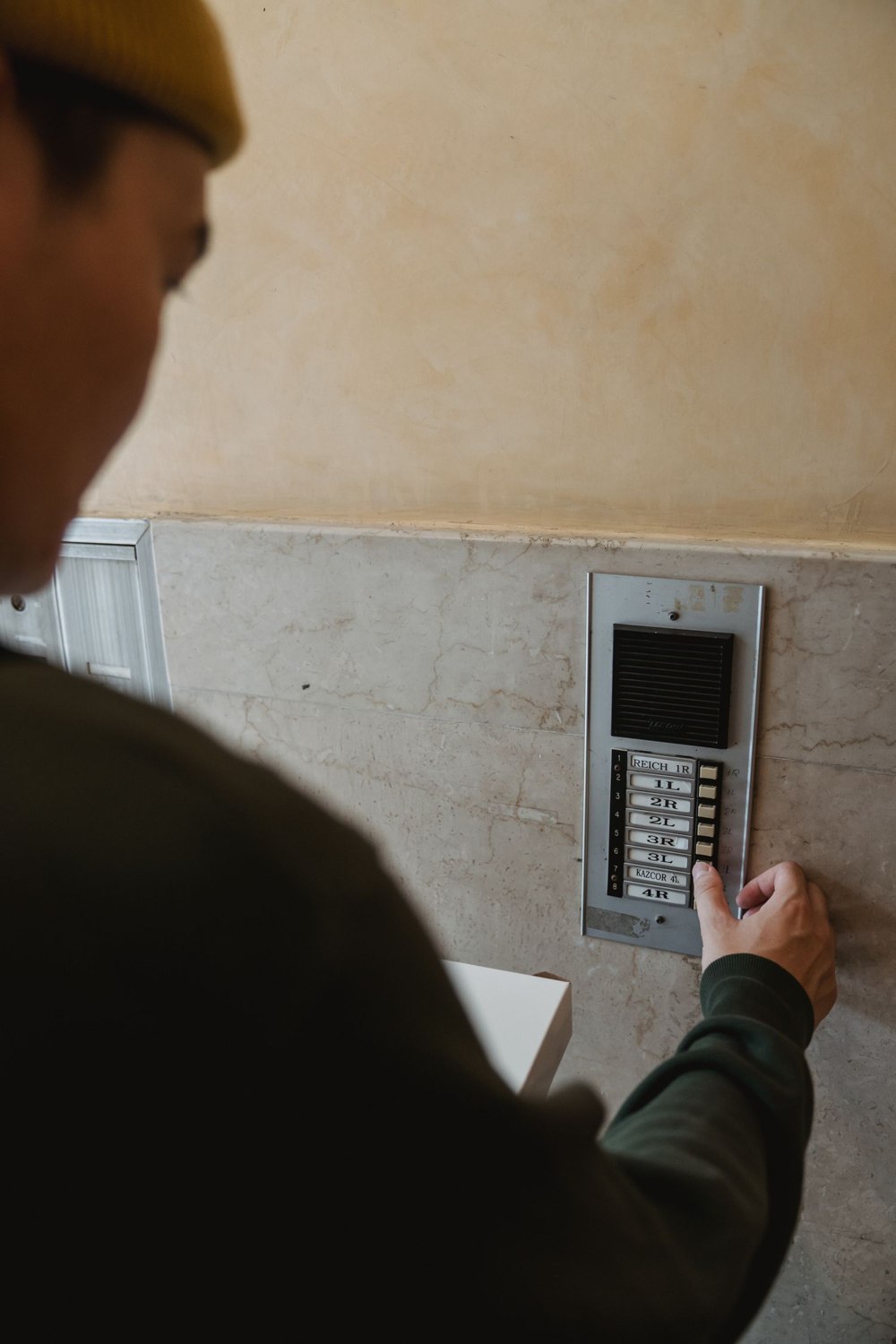
An intercom can ring three people and still leave a visitor waiting outside. One is in a meeting, one assumes the other person will answer and the third does not recognize the notification. Design the call arrangement around availability and responsibility, rather than simply adding every household member.
Begin with the ordinary visits. Who is normally present or able to respond when deliveries arrive? Who handles an expected appointment? Assign a first contact for those situations and an agreed fallback. Ask the people involved before placing them in the list; an unanswered call is predictable if the role was never discussed.
Read how the intercom handles multiple recipients. Calls may be simultaneous or sequential, and a missed call may behave differently from a declined one. Product settings, phone services and app permissions can all affect the outcome. Use the manufacturer's current guide instead of assuming it works like a conventional group call.
Try the whole waiting experience
Test with a person at the entrance and the recipients using their normal phones or indoor stations. Include a locked phone and ordinary notification settings. Observe what the visitor hears while waiting and what happens if the first person does not answer. Coordinate the test so nobody mistakes it for an unexpected visitor.
Check that the answering person can identify the entrance and communicate clearly. A system with several gates or doors needs names that make sense to someone who does not visit each one daily. Avoid abbreviations that only the original installer understands.
Keep the fallback practical. A visitor should have a clear way to contact the expected host without being told to keep pressing controls or seek another resident's help. Do not display private personal numbers publicly unless that is a deliberate, appropriate arrangement; a prearranged contact method can be shared with expected visitors instead.
Review schedules when working hours, school routines or occupancy change. Remove numbers belonging to former residents and check whether app access should also be revoked. Updating a phone contact list is not necessarily the same as updating the intercom's routing.
Keep the final arrangement short enough that everyone understands it. The person answering still needs to verify the visit before granting entry. A prompt response is useful, but it should lead to a clear conversation and an authorized decision rather than an automatic release just to stop the ringing.