Auto-lock can be useful when the household tends to forget the last turn of a deadbolt. It can also be awkward if the door locks during every short trip to the mailbox. Before choosing a delay, observe how the entrance is used over an ordinary day.
Read what the product calls auto-lock. A timer may begin after unlocking, while another arrangement may use a door-position sensor. Do not assume that a timer confirms the door is closed. A bolt extended while the door remains open is not the same as a secured entrance and can interfere with closing on some installations.
Check that the door and lock already operate smoothly. Automation should not conceal a latch that misses its strike or a door that needs a shove. Follow the manufacturer's instructions for calibration and door sensing where those features are provided.
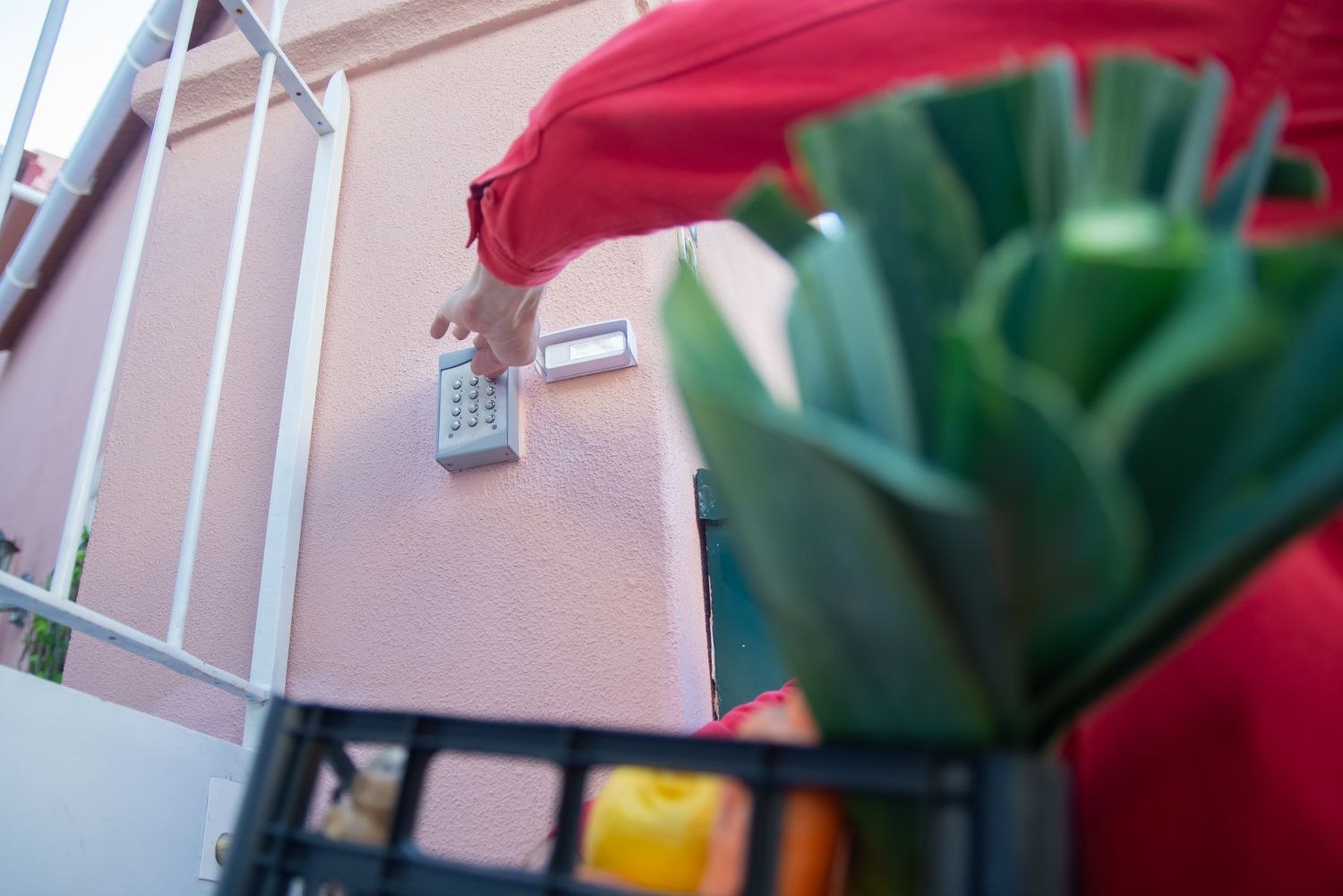
Think through recurring situations: unloading groceries in several trips, collecting a package, letting a pet out and admitting a guest. The appropriate setting should accommodate those routines without encouraging people to prop the door awkwardly or defeat the feature. The available timing choices are model-specific, so choose from supported options rather than trying to reproduce another product's behavior.
Tell everyone who uses the entrance that auto-lock is active. A person accustomed to a purely manual lock may leave their key or phone inside during a quick errand. Keep the agreed backup entry method available, and make sure visitors know how to relock intentionally rather than relying entirely on a timer they cannot see.
Test under controlled conditions with another authorized route available. Confirm what happens when the door is closed normally and how the product reports a failed or obstructed locking attempt. Use the manufacturer's safe test process; do not force the bolt or deliberately damage the frame.
Consider a household unloading a car through the same entrance. One person remains inside while another makes several trips. A short timer may relock between trips, but switching it off indefinitely after one frustrating afternoon defeats the original purpose. A supported temporary mode or a consciously chosen longer delay may suit the routine better, depending on the product. The important point is that the setting remains an intentional household choice rather than an unexplained change made by whichever person was inconvenienced last.
If a door-position feature is included, learn how it reports uncertainty as well as a normal closed state. Treat a warning as information to check, not as an annoyance to clear automatically before trying the timer again.
Revisit the setting after a household change. Someone recovering from an injury may move more slowly, and a new delivery routine may change how often the door remains open. Auto-lock is a convenience setting within a complete entrance routine. It does not replace checking that the door actually closed or understanding an unexpected warning.