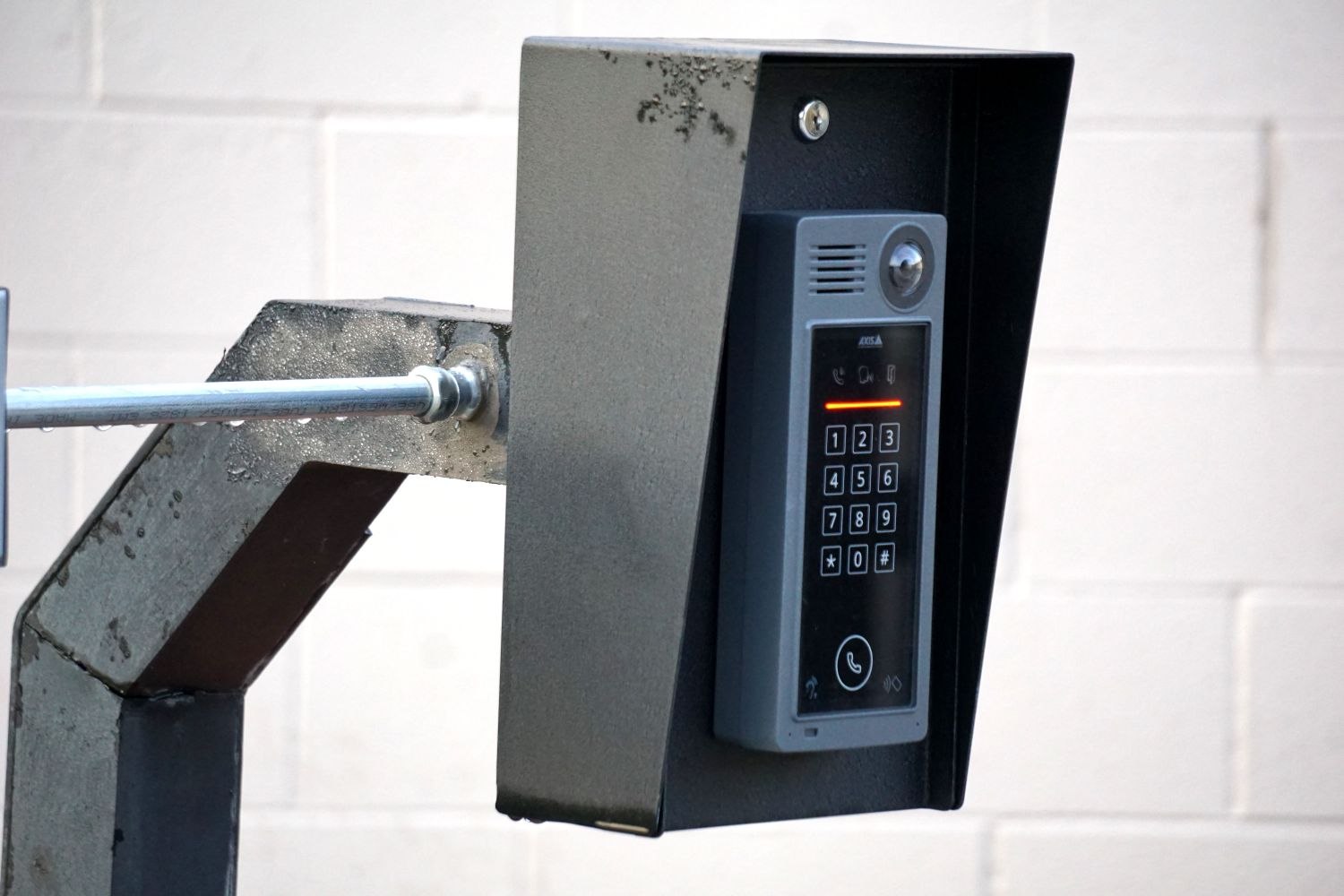
A cellular intercom can have a healthy-looking signal indicator and still fail at the moment a visitor presses the call button. The missing piece may be voice compatibility. If the product is designed to place a telephone call, buying a data allowance alone does not establish that the call can be made.
Before ordering, ask the supplier how the chosen model handles conversation. Does it place a normal cellular voice call, use an app over data, or support a different arrangement? Then confirm the required services with the carrier. Include the exact model and regional version, rather than asking whether a generic “4G intercom” will work.
LTE is not the entire answer
AT&T's technical guidance on the 3G transition documented some LTE devices whose registration behavior still depended on older voice services. That history is a useful warning against judging equipment solely by a 4G badge. It is not a claim that every data device requires VoLTE. For an intercom that makes voice calls, the supplier and carrier need to confirm the supported voice implementation and any required firmware.
Avoid buying a used unit on the assumption that a fresh SIM modernizes it. The modem, firmware and service acceptance remain part of the equipment. If an upgrade is available, get a clear description of what it changes and who performs it before calculating the purchase cost.
Test a conversation, not just a ring
Once the approved service is active, arrange a normal call with someone at the entrance and someone answering at the intended phone. Listen in both directions. Confirm that the call reaches the right person, that the audio is usable and that the documented termination behavior is understood. Repeat the check through any intended backup contact route.
For an entrance with remote release, keep the call test separate from operating the door or gate. Any later release test should follow the installer and manufacturer's safe procedure, with the area controlled and the result actually observed. A conversation working does not prove that the entrance is safe to operate remotely.
Try the conversation with the answering phone in its usual state. A call that succeeds while the owner watches an unlocked screen may behave differently when ordinary call-screening or quiet settings are active. Check whether the incoming number is recognized and what happens if the first recipient does not answer. Use the intercom's approved contact sequence, and avoid making repeated changes to the call list during one test; you want to know which arrangement produced the result.
Consider unanswered calls too. A sequence that ends in an unattended voicemail box may not fit a busy household. Decide who should answer, what visitors should expect and how contact numbers will be updated when a phone changes. Keep a record of the service and equipment so the next connection problem does not begin with guessing which company supplies the SIM. The successful purchase is the one that supports the whole conversation and response routine, not just the specification on the carton.