When a camera at an empty property stops responding, the person who can visit may not be the person who installed it. A connection record gives them a starting point. It should explain the arrangement without handing over every password or inviting them to dismantle equipment they do not understand.
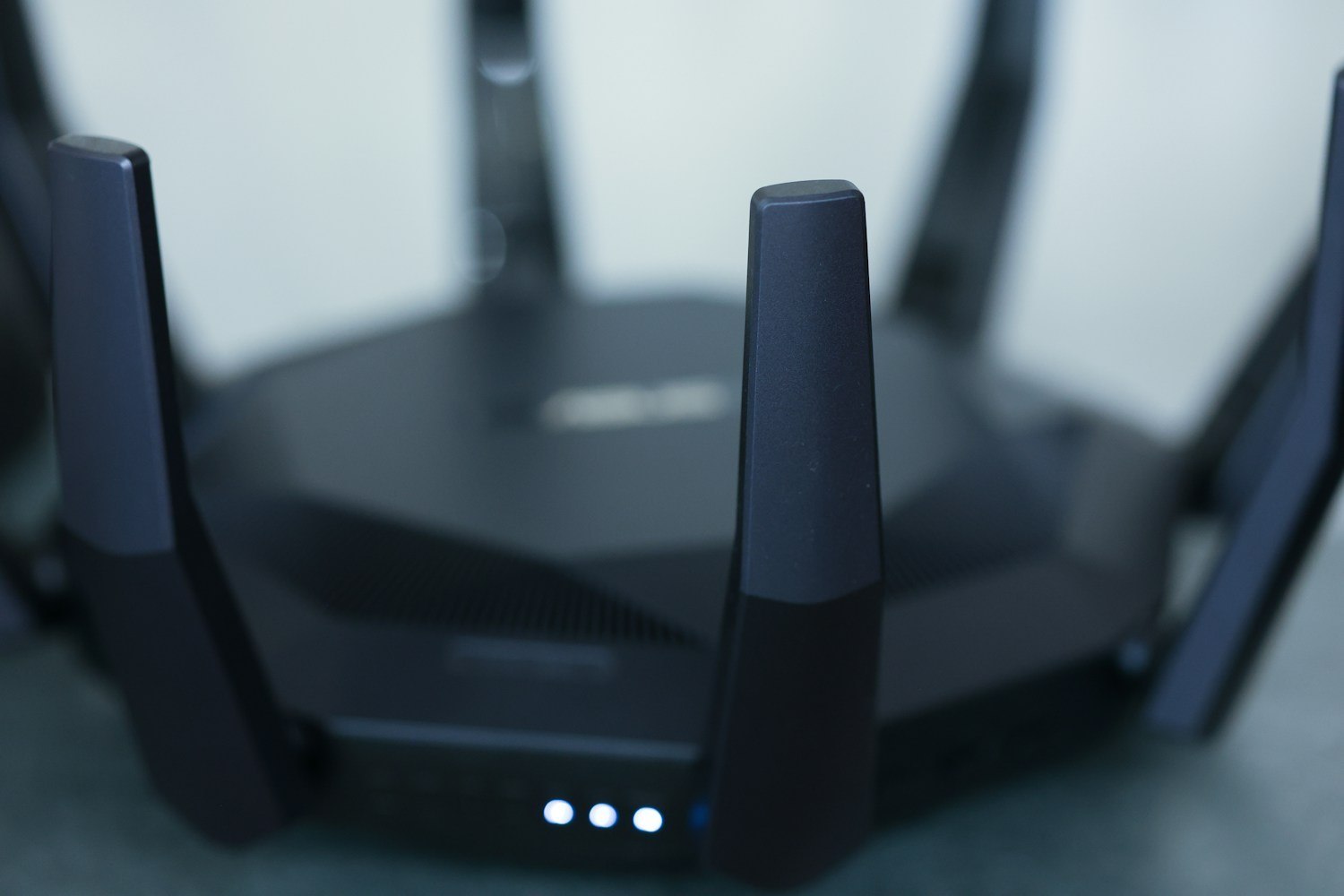
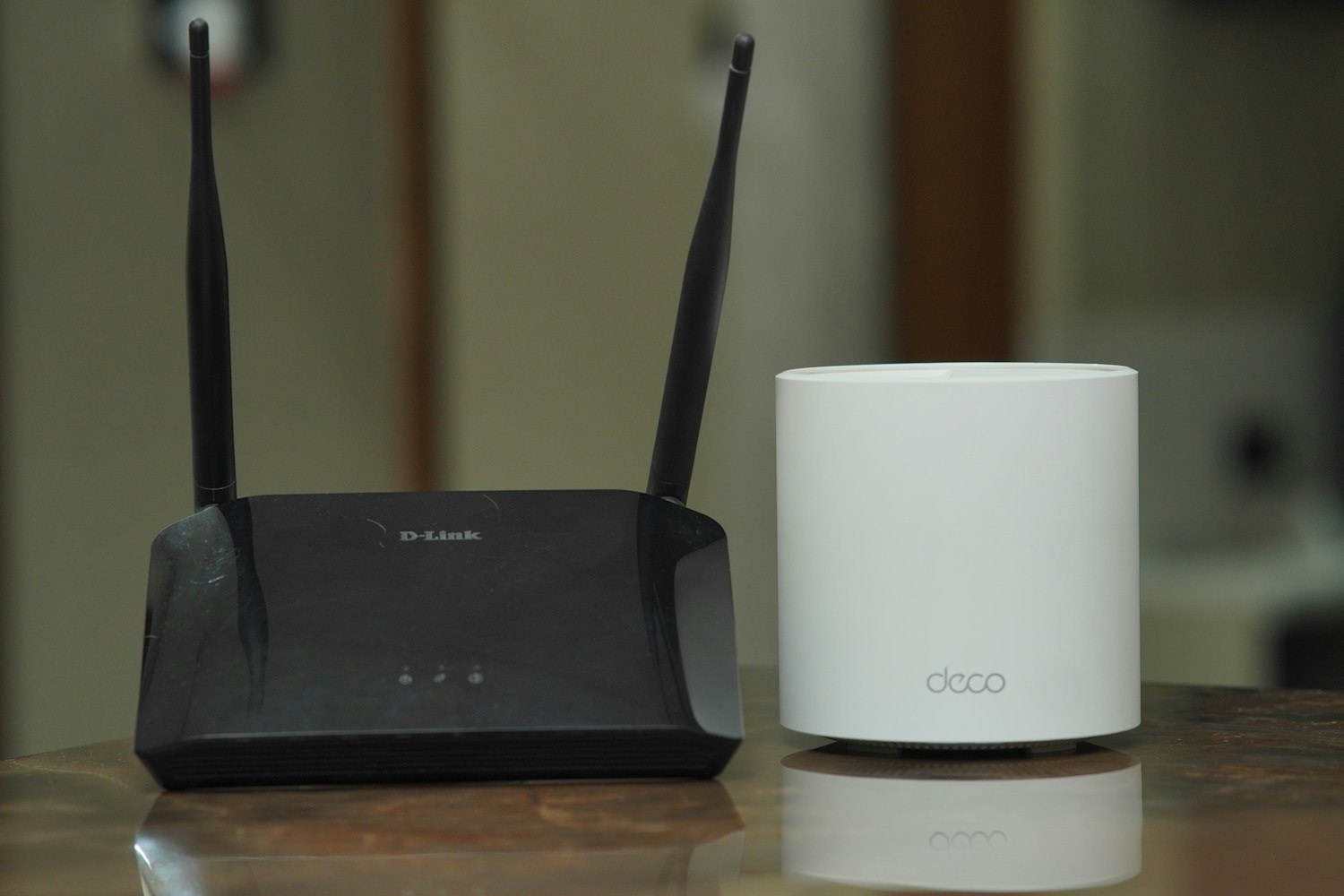
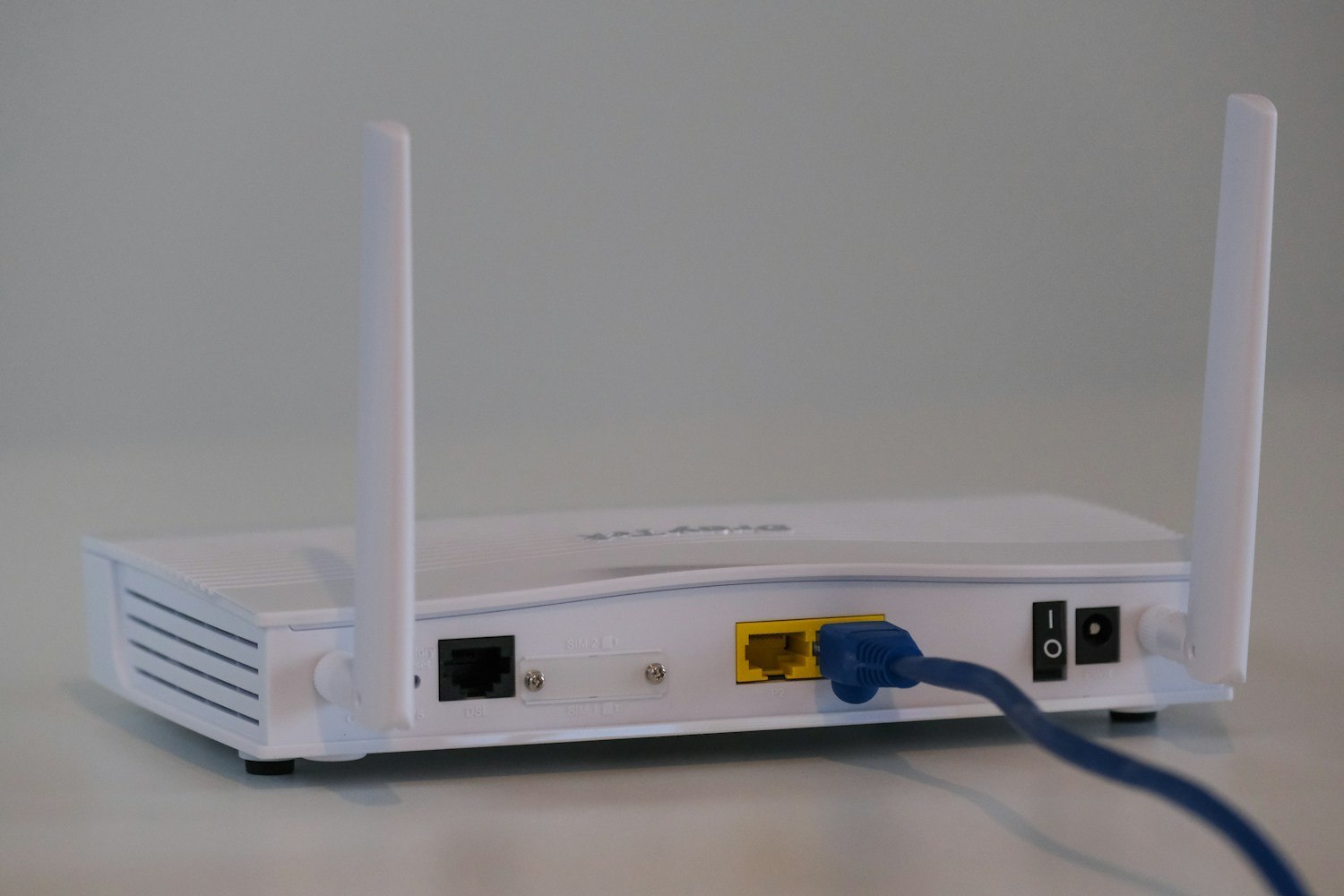
Begin with a plain description: “The shed camera uses its own cellular plan,” or “The house cameras connect through the broadband router and this switch.” Identify the equipment by model and location. Include a photograph of the finished connections if it makes the route clearer, keeping private identifiers and setup codes out of any broadly shared copy.
Record the service provider, account owner and where renewal information is kept. For prepaid service, note the date or condition that needs checking. For broadband, note which device supplies Wi-Fi and which equipment requires separate power. Avoid writing complete payment details or master credentials into the same document.
Describe normal behavior
Useful notes include the usual device status, the date of the last successful functional check and the method used. “Played a new driveway recording on November 12” is more meaningful than “camera OK.” If a backup path exists, describe what it actually preserves rather than labeling the entire installation as backed up.
Add a short boundary for the helper. They might be authorized to confirm that a normal outlet has power, observe an indicator or report a loose accessible cable. That does not authorize opening electrical equipment, climbing to a camera or changing account ownership. Give them a known support route and a way to contact you with what they find.
Keep access separate from documentation. If another person needs app access, use the product's individual sharing controls where available. The FTC recommends attention to connected-device access and account security; a shared maintenance note should not undermine that by exposing a reusable login.
Update the record whenever a router, SIM, plan or camera changes. Remove obsolete instructions instead of stacking contradictory notes underneath them. A clear one-page current record is easier to use under pressure than a long history of every experiment performed during setup.
Store a copy where an authorized person can reach it even if the property's internet is unavailable. Review it before a long absence, alongside a functional check. Good documentation does not fix an outage on its own, but it can prevent the first response from being a blind factory reset that removes the very settings needed to recover the connection.