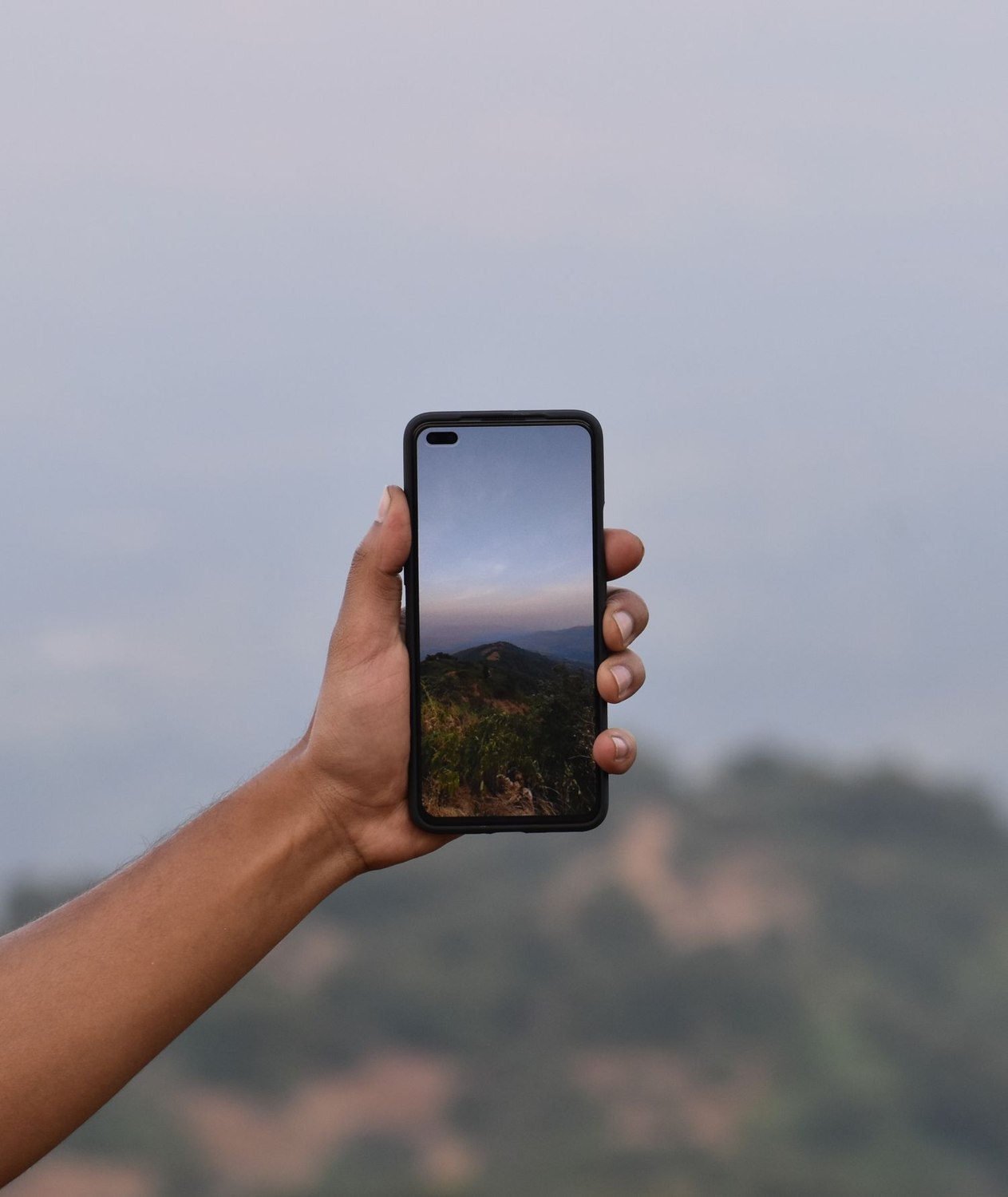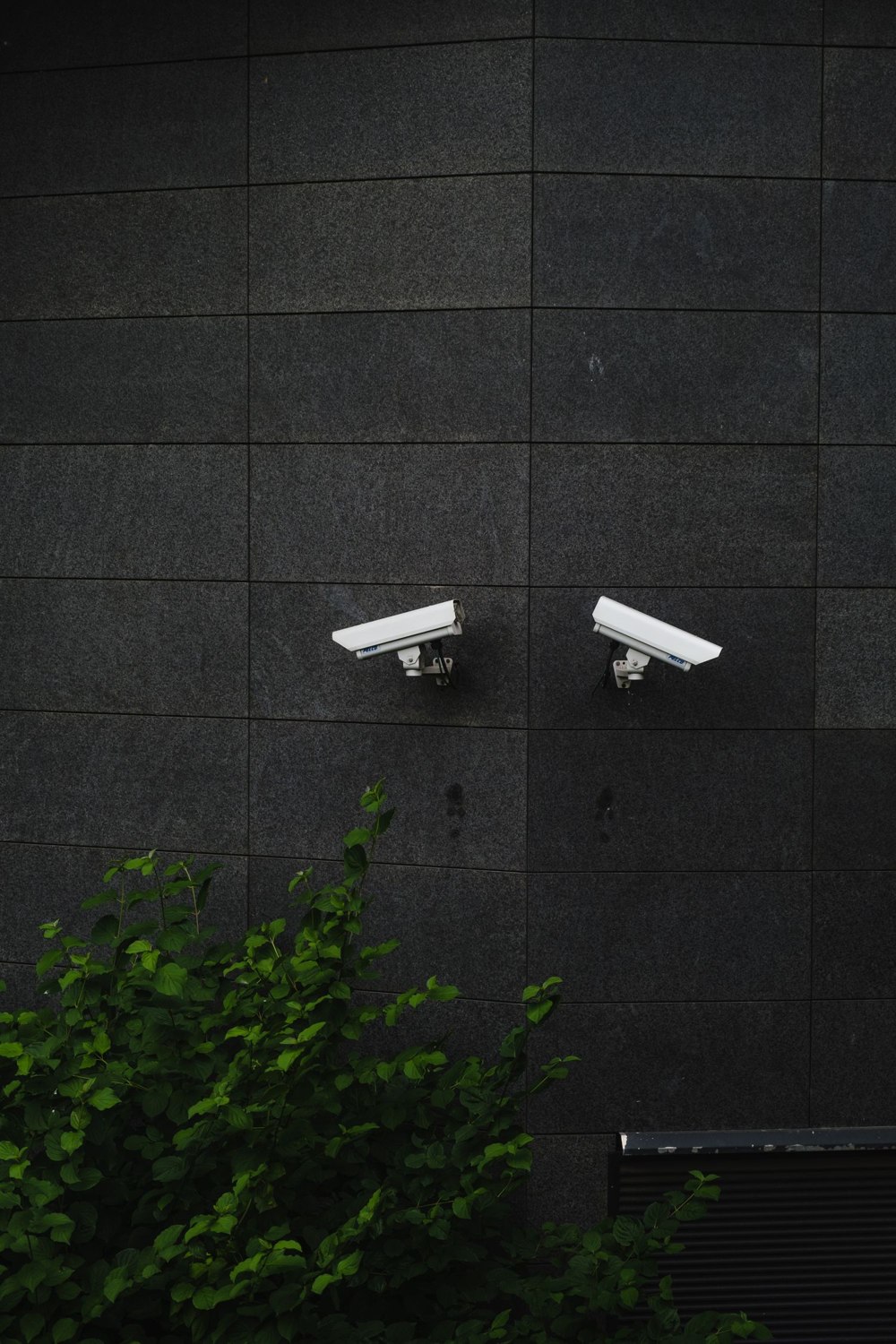
A wide-angle sample image is easy to like. It shows the entire yard, both doors and most of the driveway in a single frame. The tradeoff appears when you try to examine something small within it. The camera has devoted much of its image to areas that may not help answer your question.
Choose the question first. “Is there a vehicle in the driveway?” needs a different view from “What happened beside the side door?” A broad overview may answer the first comfortably while leaving the second too distant or too close to the edge.
Compare the useful area
When evaluating sample footage, look at a subject at approximately the distance it will occupy at your property. Do not judge only the center of a carefully lit demonstration. Door frames, faces and moving objects near the edge can look different, and the shape of the scene may be distorted by a very wide lens.
Digital zoom enlarges the recorded area on screen; it does not guarantee new detail. Optical zoom, where a particular camera provides it, works differently, but narrowing the view also removes surrounding coverage. Neither label eliminates the need to check the final composition.
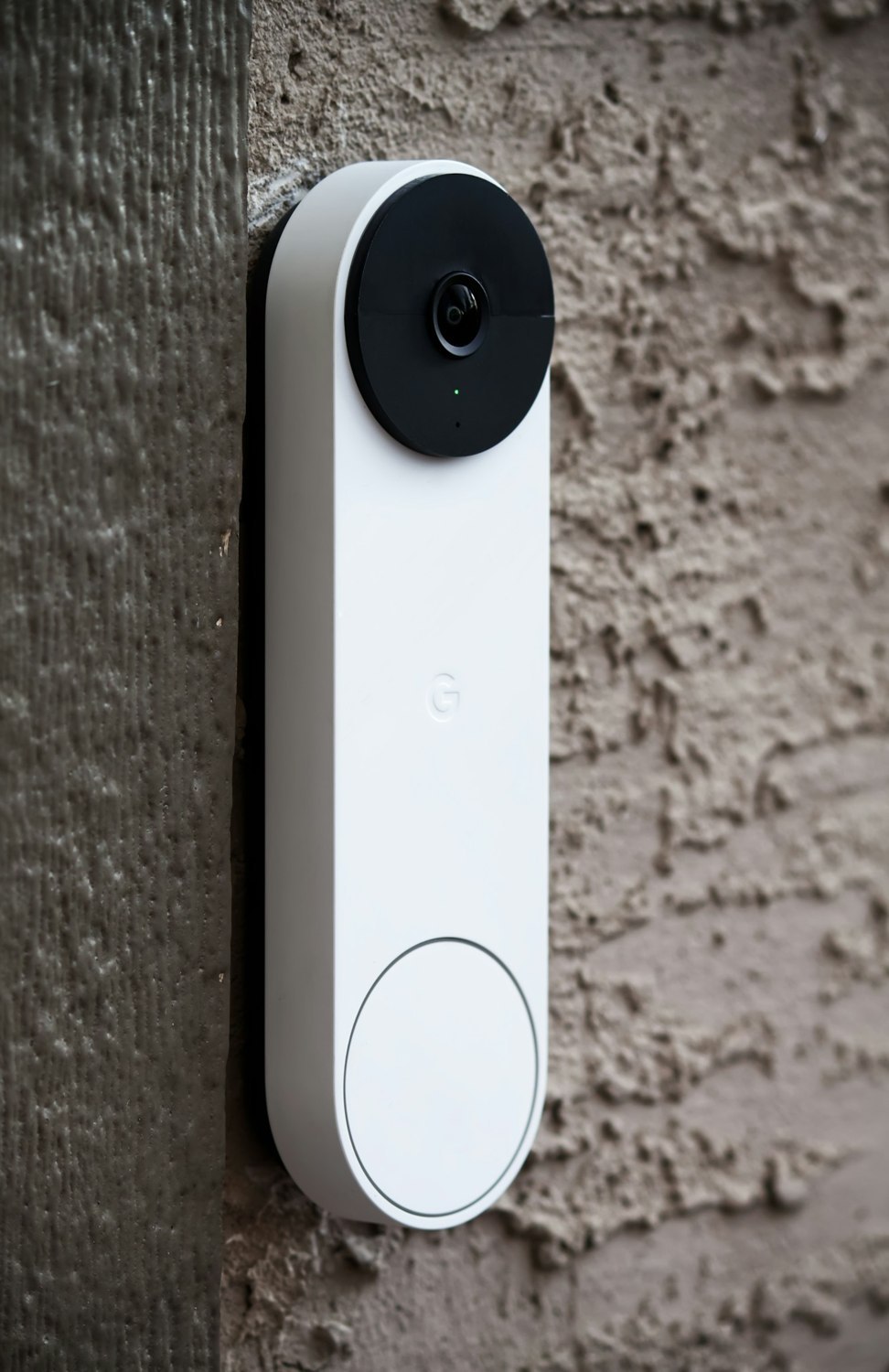
Consider the picture's height as well as its width. A doorbell may show a generous stretch of street while excluding the parcel immediately beneath it. A taller view can be more useful for that task than an even broader horizontal angle.
Leave out what does not help
Sky, bright lamps and unrelated windows can occupy a surprising amount of a camera image. Reframing may improve the useful area and reduce privacy concerns at the same time. Keep enough of the approach to show a sequence rather than cropping so tightly that a person appears only after reaching the door.
If two jobs genuinely need different views, accept that one camera may be a compromise. An overview and an entrance view can complement each other, but only add equipment when the extra image answers a real question.
During setup, review a saved event at normal phone size. If the important action is hard to interpret without repeated enlargement, reconsider the distance, angle or assignment. The strongest view is the one that preserves the detail you need, even if it contains less of the property.