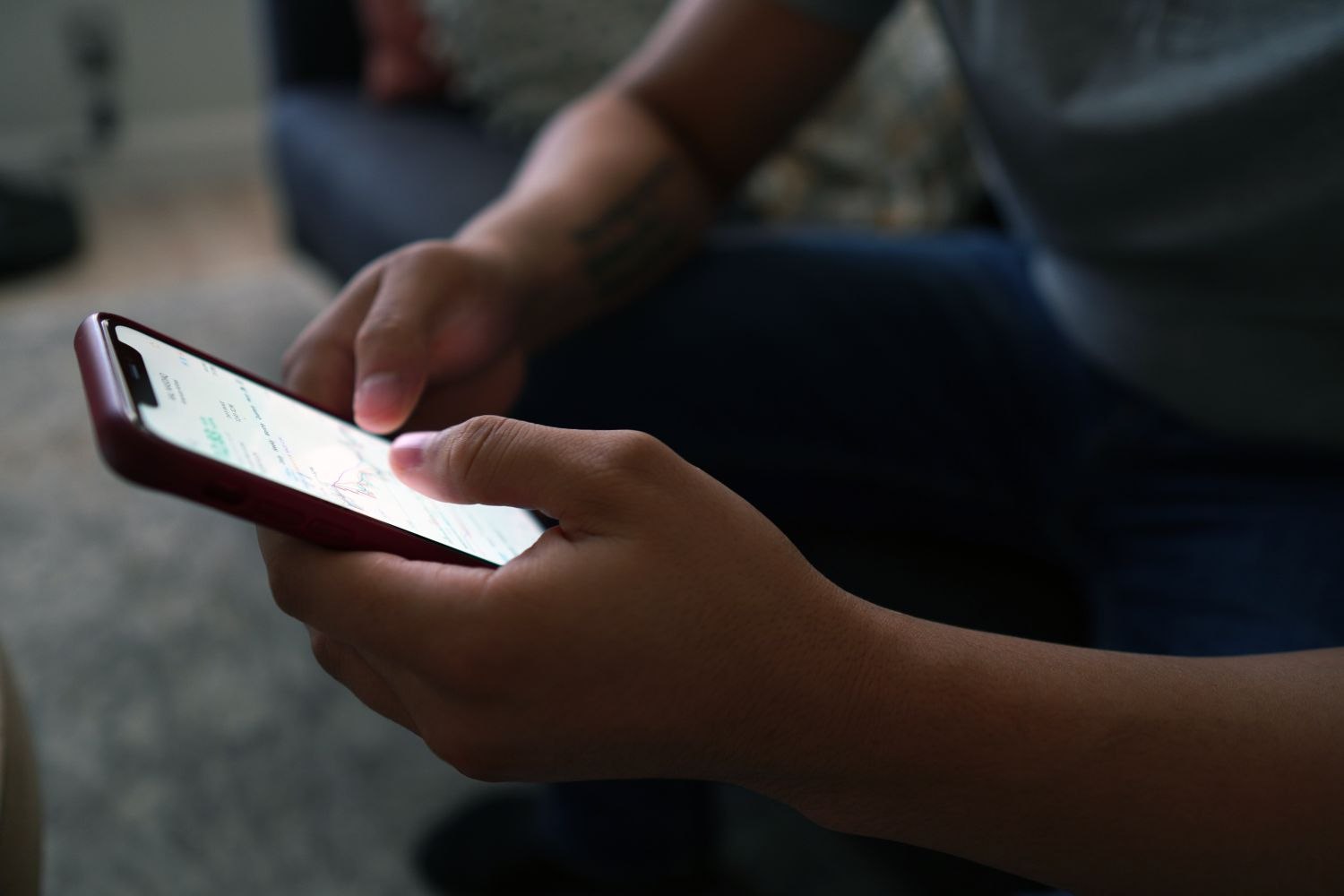
Older cellular controllers often communicate through text messages, while newer products may use an internet-connected app. Some equipment offers both. The two interfaces can look like alternative buttons for the same job, yet they depend on different services. Knowing which route you use makes a failed command much easier to describe.
Draw a simple chain for each supported method. A text-based instruction travels through messaging services to a compatible device. An app action may pass through the phone's internet connection, a cloud service and the equipment's data connection. The exact arrangement belongs to the product, but separating the routes prevents a common mistake: assuming that because the phone can browse the web, every control function must be available.
Check the service plan against the actual features. A data-only plan is not a promise of ordinary voice or SMS capability. Conversely, an allowance for calls and messages does not establish that a camera can upload video. The equipment also has to support the carrier's current services; a legacy label is not enough.
Identify what the response means
A message marked sent, an app displaying a check mark and a fresh status report are different pieces of evidence. Read the product's explanation of acknowledgments. Does the response mean the command was received, an output was activated, or a sensor confirmed a resulting state? Do not infer a closed gate or locked door from a vague delivery indicator.
Use a harmless documented status request for testing. Never invent command formats or borrow them from a similar-looking controller. Powered entrances still need their normal safety arrangements, whichever communication route you use.
If one route fails, record the distinction. “The app's status page will not refresh, but the documented status message receives a reply” gives support a useful clue. Include the time, the equipment model and any service change. Avoid sharing actual access codes or control commands publicly.
Review authorized numbers and app users when people change. A second interface should not become a forgotten route into the same equipment.