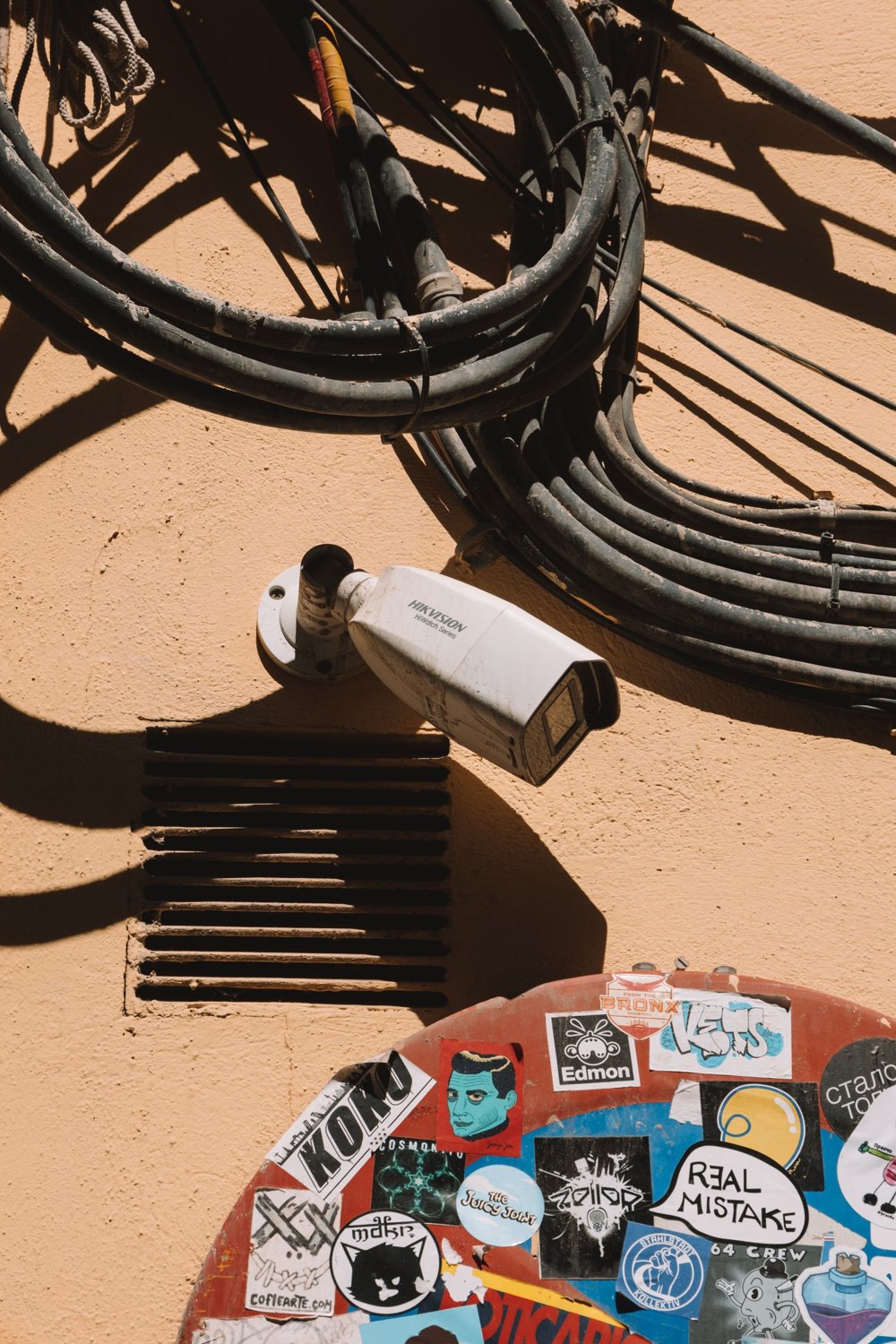
After strong wind or heavy rain, the camera may still be online. That is a good time to look at the installation from a safe position, not a reason to assume every outdoor connection escaped damage. A shifted cover, loose cable or cracked support may become a problem later rather than causing an immediate outage.
Wait until conditions are safe. Start from ground level and compare the visible arrangement with a photograph of the finished installation if you have one. Look for a cable hanging differently, a detached clip, a cover no longer seated or obvious damage around the building entry. Keep the inspection observational; do not climb onto a wet surface or handle damaged electrical equipment.
A weather rating on a camera does not describe every connector and cable entry in the installation. The complete arrangement needs to follow the relevant product and installation instructions. If a junction or seal has moved, obtain the appropriate repair rather than wrapping it in whatever tape is nearby and calling the problem solved.
Use the image as another clue
Open the camera view and compare its framing. A wind-shifted mount can change the area watched even when the device remains connected. Check whether rain has left a persistent blur or whether a previously clear area is now obstructed. Save a sample if the condition is intermittent.
Axis's image-quality guidance notes that water droplets and debris can create infrared reflections. A nighttime haze therefore needs to be distinguished from an electrical or network failure. Follow the camera's approved cleaning method if the issue is external dirt; seek support if moisture appears inside a sealed component.
Report observations precisely. “The cable cover on the east wall is loose and the camera began disconnecting after the storm” gives an installer a useful starting point. Avoid opening the cover simply to obtain a more detailed photograph. Include the model, location and whether other equipment is affected.
After a repair, check the view, a saved recording and the normal connection behavior. Update the installation photograph if the route or protection changed. Keep a note of recurring water exposure so the next repair can address the location rather than repeat a temporary fix.
This kind of inspection should be brief and calm. It is not a homeowner electrical test. Its value lies in noticing a changed installation early and directing the right person to the part that needs attention while the original evidence is still visible.