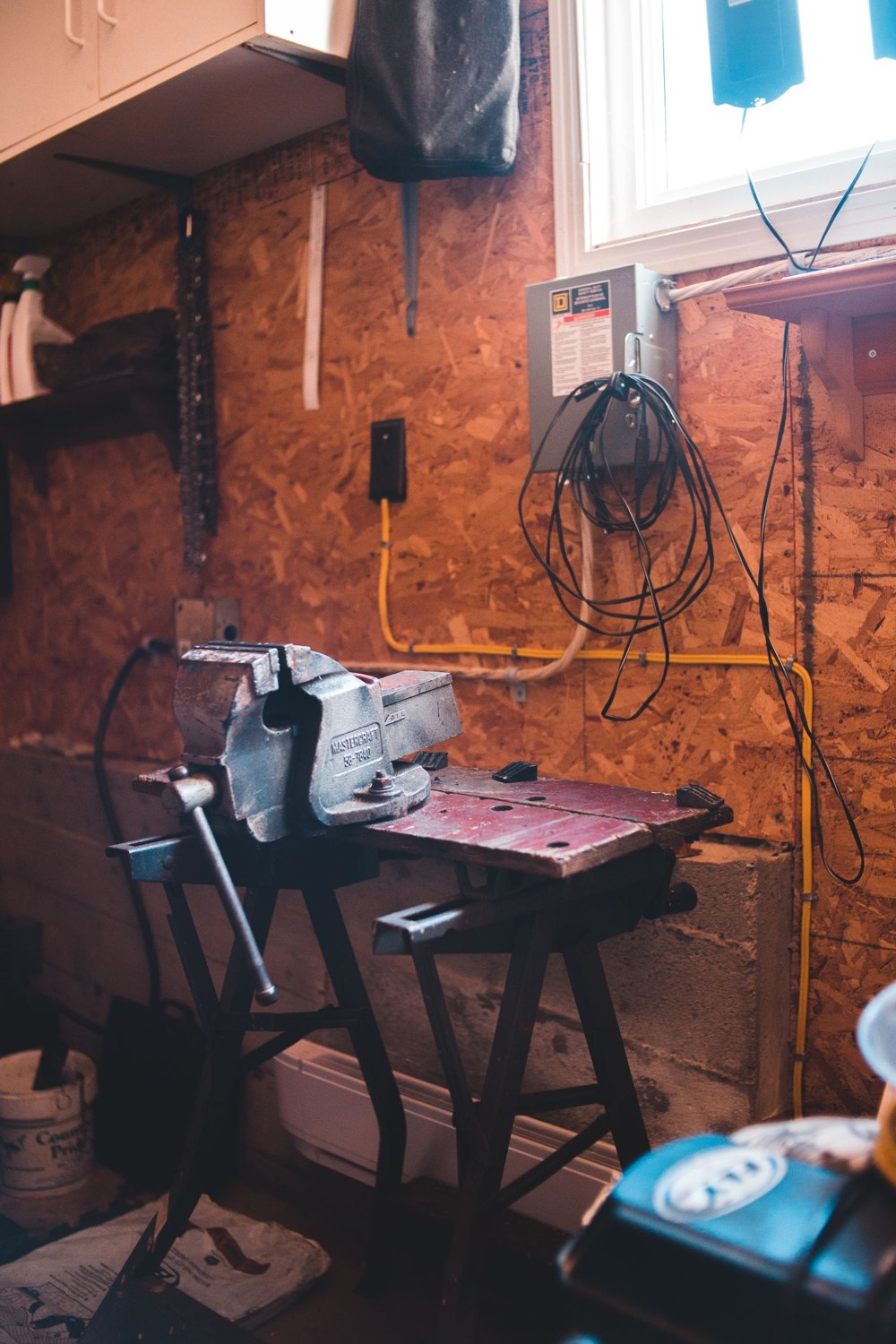
Weekend workshops have two distinct lives. During a project, doors stay open and tools move between benches. For the rest of the week, the building may be untouched. A useful security routine should recognize that difference instead of treating normal Saturday activity as a series of exceptions.
Choose the points you care about when the workshop is closed. These may be the main entrance and a side door rather than every work surface. Keep the purpose narrow enough that you can tell whether each device still serves it after a busy weekend.
Make closing part of putting the tools away
Add the security check to the physical tidy-up. Confirm the intended openings are secured, relevant devices have not been covered, and the normal equipment state has been restored. Do this while you are still there, not from memory after driving away.
Avoid putting maintenance-dependent equipment behind stock that rarely moves. A battery warning is harder to deal with when reaching the device means dismantling half a storage rack. Dust, temperature and the workshop environment also matter, so use only equipment approved for the conditions and follow its cleaning instructions.
When another person uses the workshop, give them the routine as well as the means to enter. They should know which supplies remain powered and whom to contact about a fault. Keep shared-use arrangements separate from unrestricted owner access where the system allows it.
Check the space after a project changes it
A newly built cupboard or stack of timber can alter the view and obstruct access to a sensor. Review those changes before the workshop returns to its closed state. Do not judge a camera only by the image it produced when the room was almost empty.
If an alert arrives during the week, use the agreed response rather than making an automatic trip to inspect a potentially unsafe situation. Decide in advance which events call for remote review, an appropriate local contact or emergency assistance. A notification by itself is not a complete account of what has happened.
Keep a small maintenance note with dates and unresolved warnings. The next visit should begin with a clear task, not a vague recollection that something beeped last Sunday. That leaves more of the weekend for the work the room was made for.