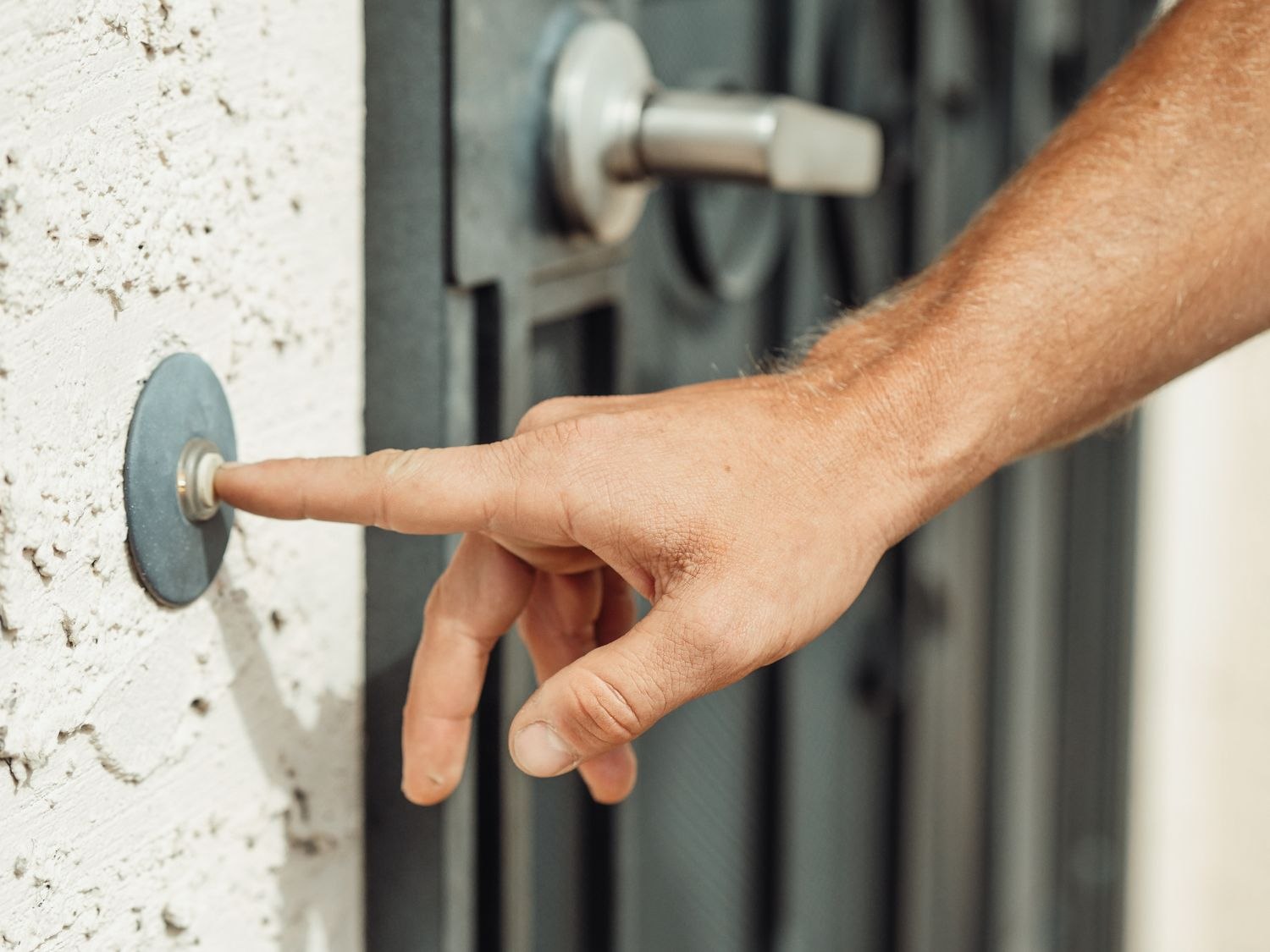
An entrance can accumulate a call button, a door-release control, a light switch and an old unused panel. To a regular resident, their purposes may be obvious. A visitor sees several plausible things to press. Review the doorway from that person's position rather than relying on habit.
Identify each control's actual function with the responsible installer or property manager. A release button, a request-to-exit device and an emergency control are not interchangeable. Do not relabel, relocate or modify equipment that may form part of the building's required exit arrangement without appropriate professional guidance.
For ordinary user instructions, use plain words that describe the permitted action. Avoid an ambiguous arrow or a label that relies on a room name visitors cannot recognize. If a control is obsolete, arrange its proper removal or clear treatment through the responsible person rather than leaving it looking active.
Look at lighting and visibility. A small label may be readable in daylight but disappear beside a bright exterior window at night. The button should remain accessible in the approved location, with furnishings and stored parcels kept clear. Do not add a decorative sign that obscures instructions already required for the entrance.
Observe a normal arrival and departure with an authorized person unfamiliar with the layout. Ask what they think each control does before explaining it. This can reveal confusion without activating emergency functions or changing equipment. Any functional test should follow the system's approved procedure.
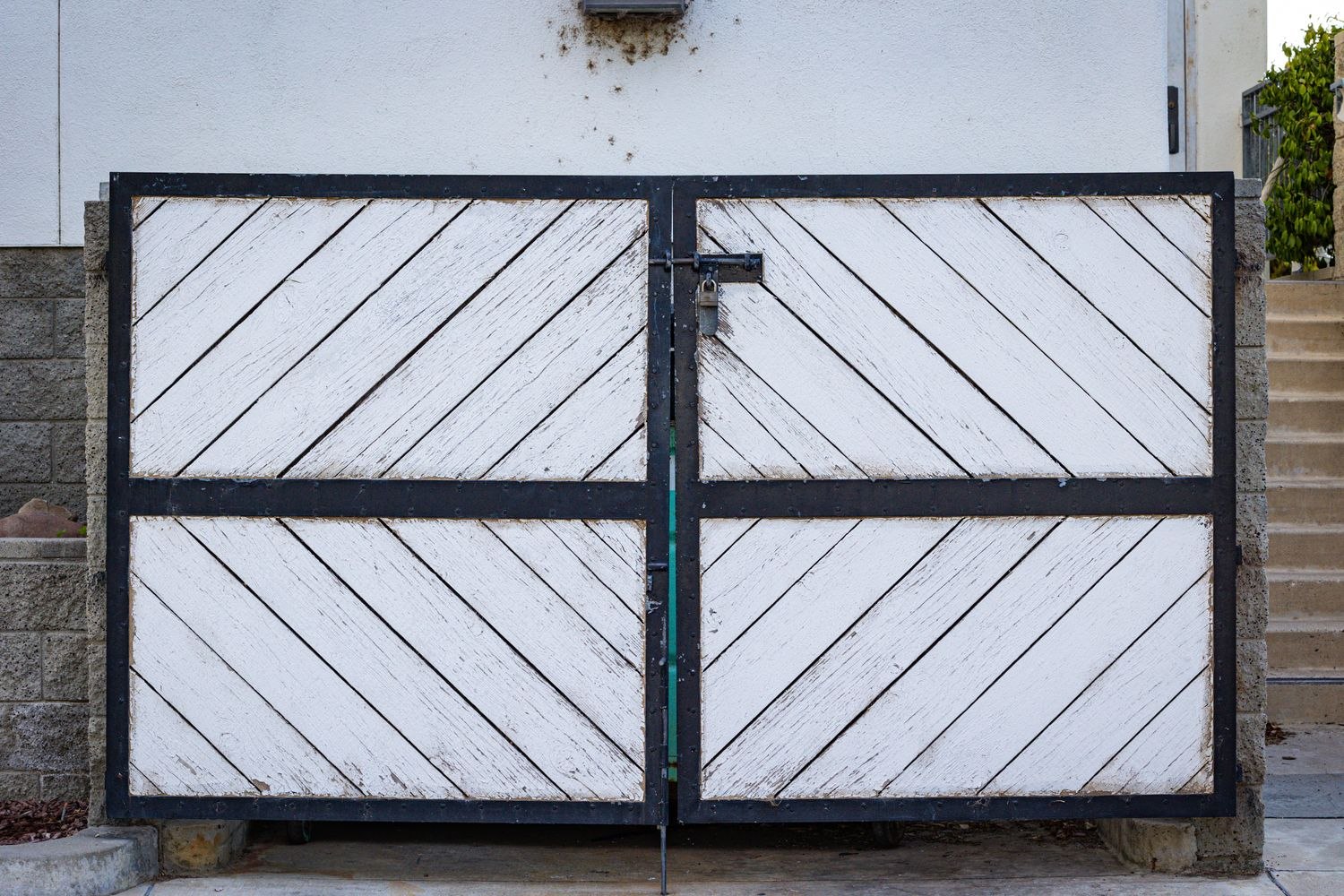
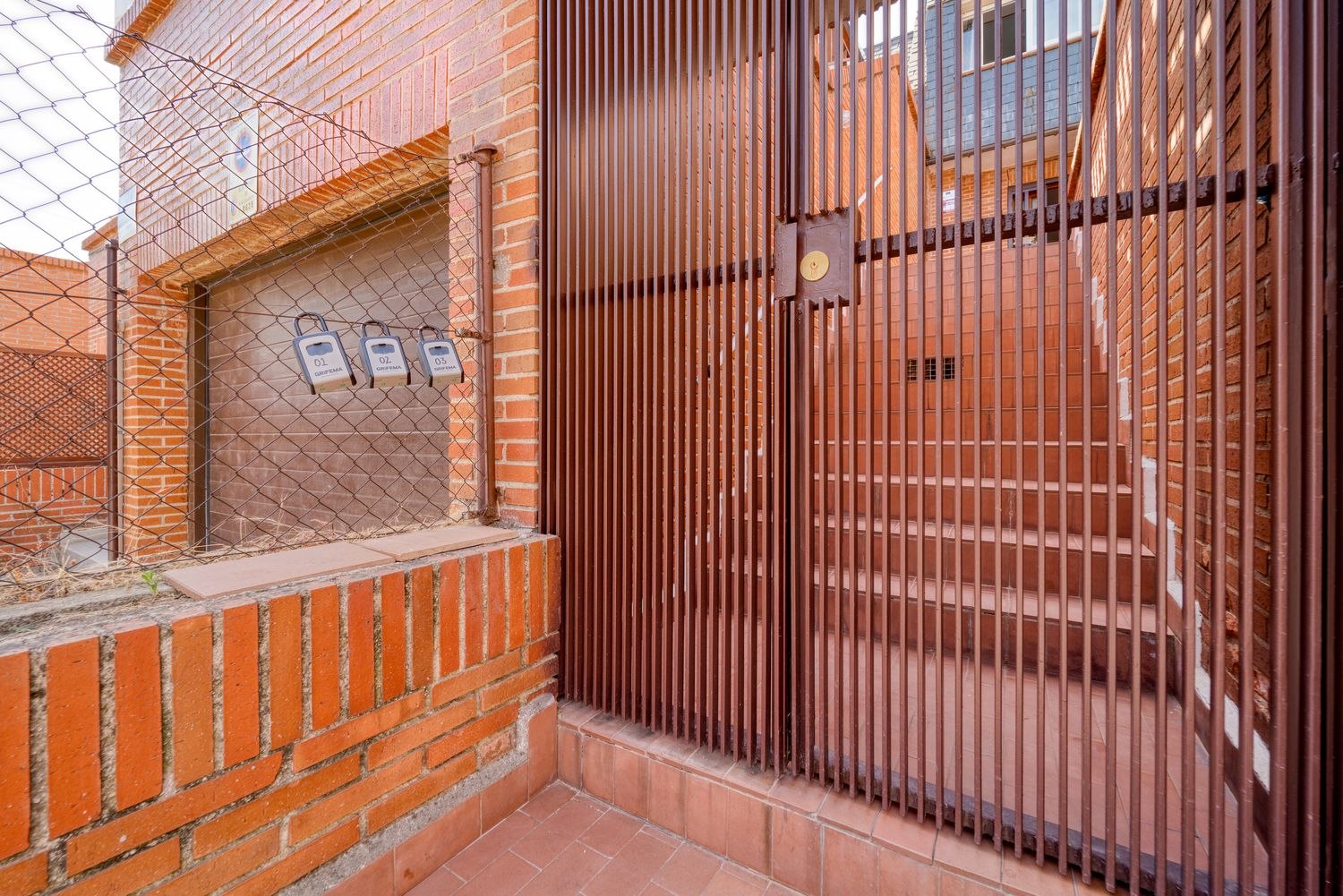
If several doors are nearby, make clear which one an ordinary release operates. A visitor should not need to pull at a locked service door while a different entrance briefly unlocks. Intercom instructions should use the same door names as the labels and household guidance.
Keep the explanation proportionate. Most entrances need a short, readable instruction rather than a page of technical details. The underlying design and safe-exit requirements belong with qualified professionals; the user-facing wording should help people use the intended route without guessing.
Review the area after changes to furniture, signage or access equipment. A clear control can become confusing when another device is mounted beside it. Small visual housekeeping at the entrance supports the system's intended operation without turning visitors into troubleshooters.