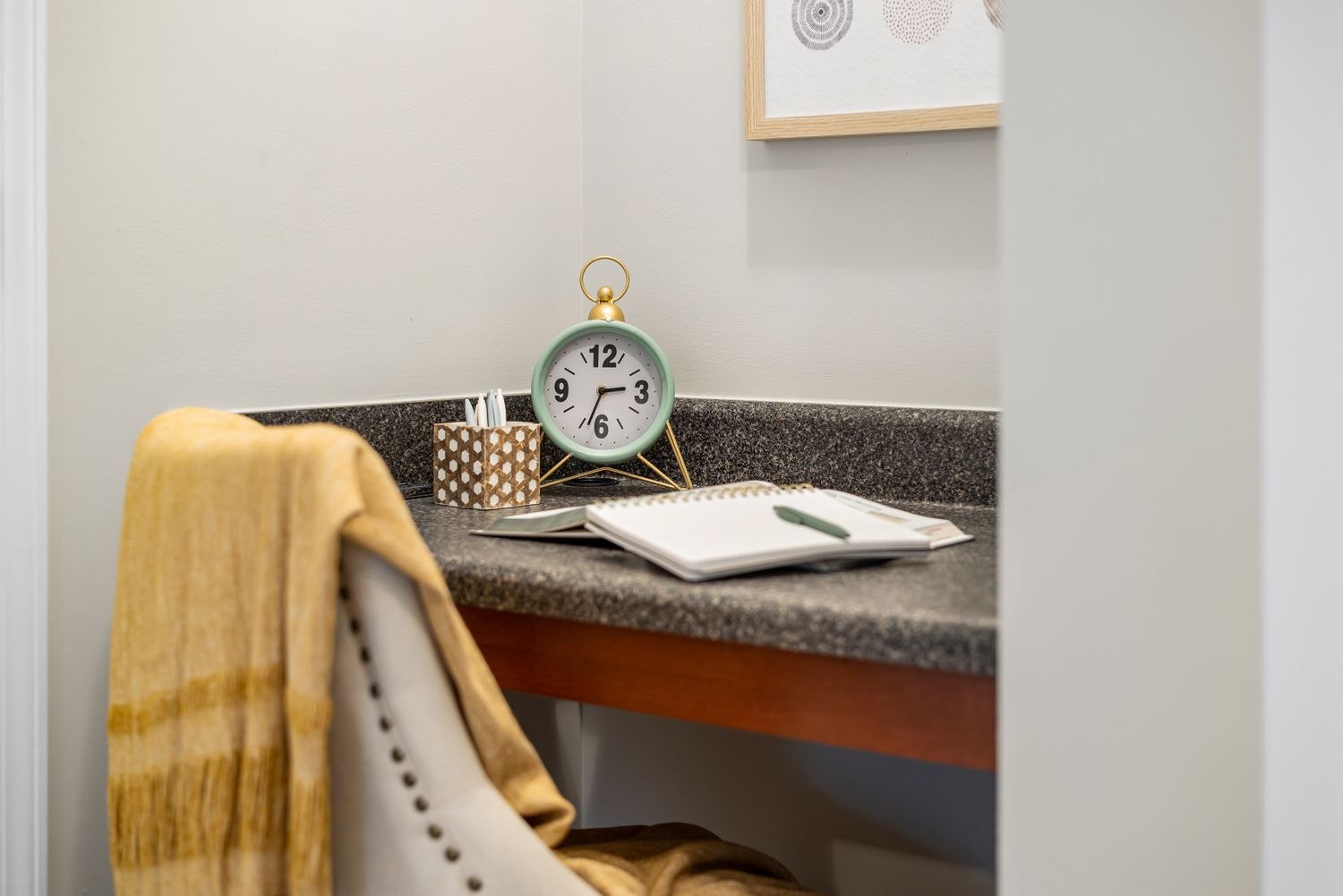
It is tempting to point a camera at the desk because that is where the valuable equipment sits. It is also where documents are opened, calls happen and screens display information. A view that seems sensible for checking an empty room can collect much more than intended during a working day.
Start at the boundary of the office. Is the concern an exterior entrance, visitors entering the room, or simply forgetting to close a window? Those questions may suggest a different position or a different type of device. A camera aimed at a laptop is not automatically the best answer to all three.
For a shared room, discuss the arrangement with the people using it. A partner working at the other desk should not have to guess whether sound is being recorded. A guest staying overnight may change the room's purpose completely. Agree on when equipment is used and how its state is checked, using the controls the product actually offers.
Keep work information out of the view
Inspect the picture with the desk set up normally. Include a chair pulled out, papers on the surface and a monitor at its everyday angle. Avoid depending on an empty-room photograph that hides the privacy problem. Where camera movement is possible, review the directions it can reach as well as its usual resting view.
Keep recording access limited to people who need it. If a workplace has supplied equipment or handles sensitive information, follow the relevant organizational requirements before adding recording devices. Do not assume a personal home-security account is an approved place to store images of work material.
There is a usability cost to every additional screen and notification. Decide which events deserve attention while you are working and which can wait. A quiet, well-defined arrangement is easier to live with than a constant stream of irrelevant motion messages from your own chair.
At the end of the day, use a short physical closing routine: secure the room's relevant openings, put private material away and check the intended equipment state. Keep it separate from the habit of closing the laptop. The office remains a place to work, with security supporting that use rather than taking over the room.