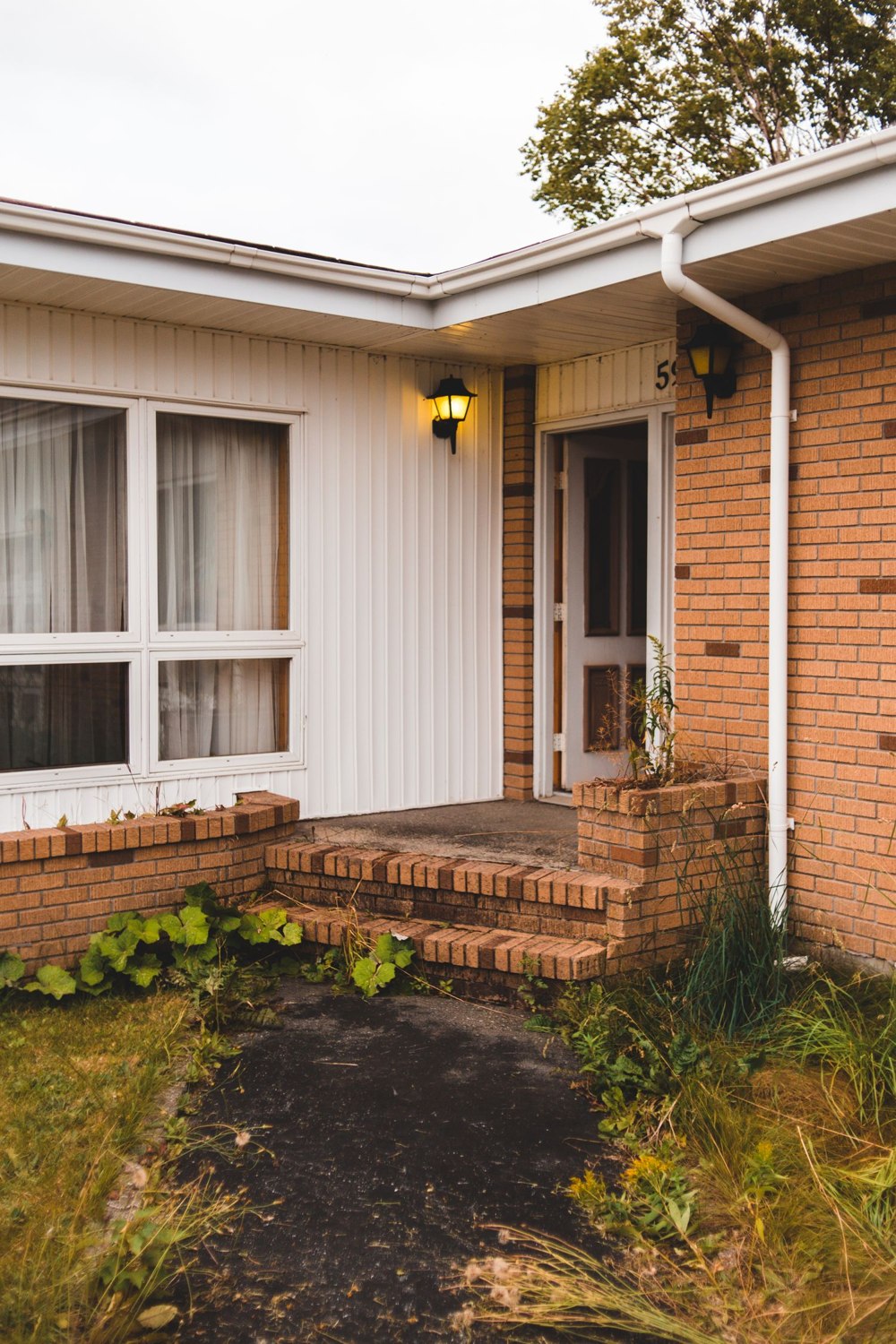
A window beside a walkway gives the room light and a view, but it also puts normal pedestrian movement close to any outward-facing camera. Delivery workers, neighbors and visitors may pass regularly without approaching your apartment at all.
Decide whether your concern is the window's state, an approach to your own entrance or a particular event inside the boundary of the home. Those are different questions. An opening sensor can address a window-state task without needing a continuous view of everyone using the path, provided the device and window are compatible.
Discuss any mounting or lock changes with the appropriate owner or building manager. Keep the distinction between your apartment and shared areas clear. Seek local advice for privacy or recording questions rather than assuming that an available camera angle is a permitted one.
Review the room as it is actually lived in
Curtains, blinds and plants can alter a camera view. They also provide privacy and make the room pleasant to use, so the coverage plan should work around their ordinary purpose. Do not require residents to leave a private room exposed just to preserve an ambitious view from a device.
If you are considering a camera behind glass, check the exact product's suitability and assess the resulting image under the intended conditions. Reflections and changes in lighting deserve attention. Avoid promising that an indoor position will behave like an outdoor installation simply because both point toward the walkway.
Keep alert settings tied to the purpose. A stream of messages caused by every passerby can be exhausting, especially when the route is busiest at the same time you are home. Use supported controls carefully and verify that reducing nuisance notifications has not removed the events you wanted to know about.
Think about ventilation and everyday access as part of the routine. A device should not make a frequently used window awkward to operate or encourage someone to ignore a warning every afternoon. Follow the manufacturer's placement requirements and any relevant building guidance.
Finally, explain the arrangement to other occupants. They should know what an opening warning means and what action is expected, without guessing whether it reports the outside walkway or the apartment itself. A narrow, understandable purpose is easier to maintain than a broad view that repeatedly confuses normal movement with something needing attention.