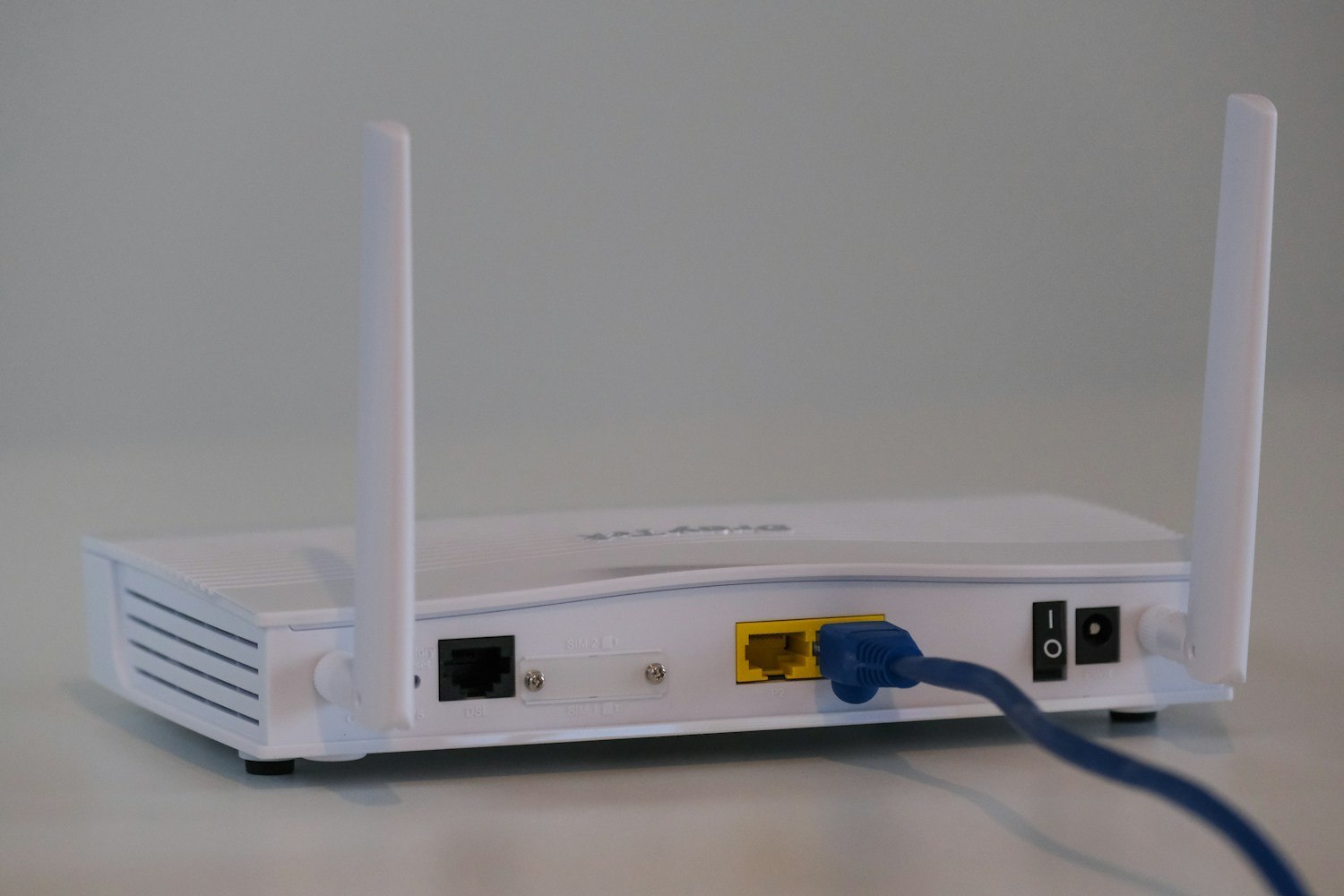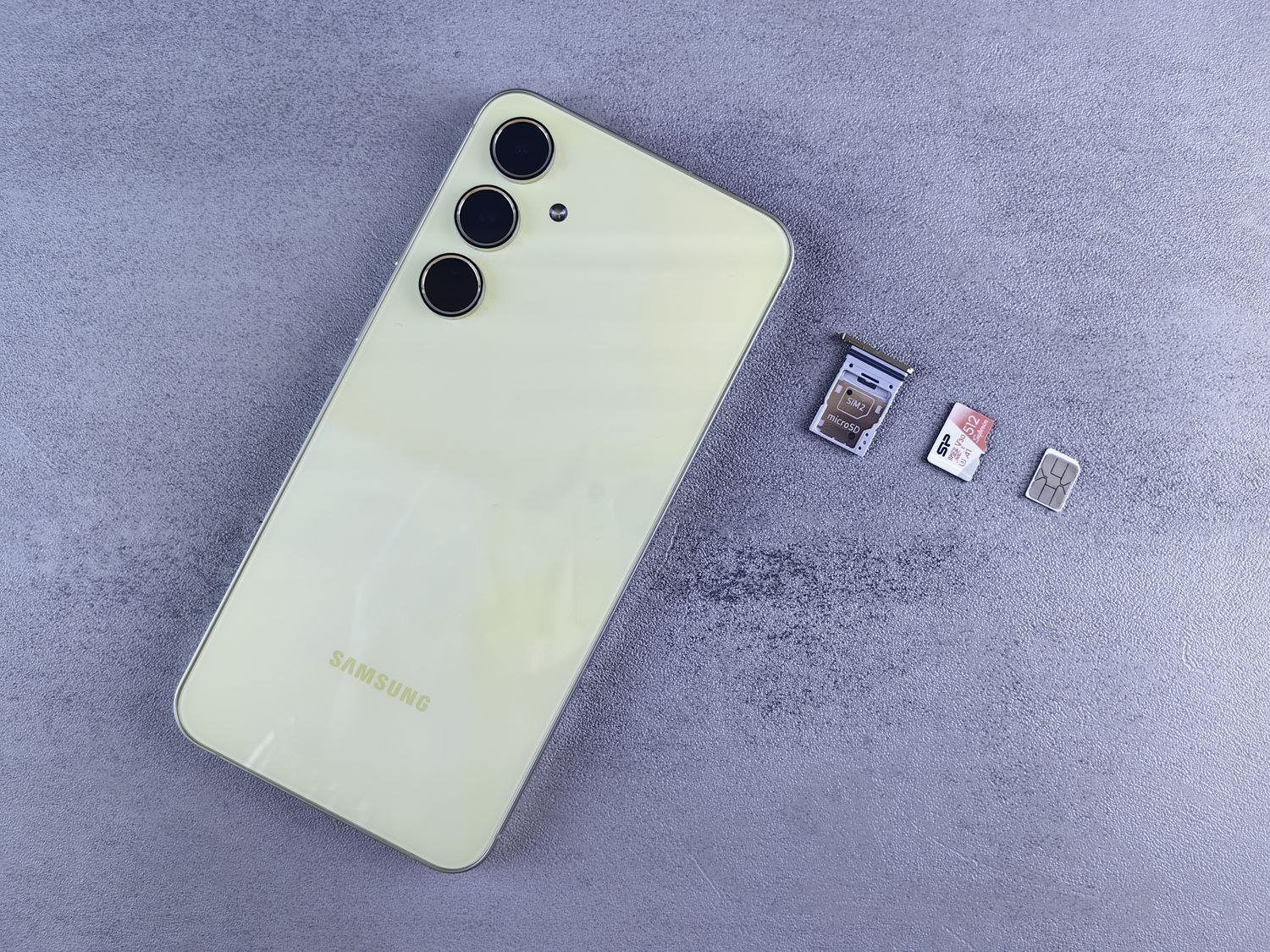
An inexpensive alarm unit with a SIM slot can look like a complete answer for a garage without internet. Insert a card, enter a number, and wait for messages. The missing information is often buried further down the listing: the radio generation, the supported country, the services it needs, and whether its software still has support. Those details decide whether the slot is useful.
Separate the purchase into three parts: equipment, network and service. The equipment contains a radio built for particular technologies and frequency bands. The network must support that radio in the intended location. The service plan must allow the actual activity, whether that is uploading video, sending texts or placing calls. A card that physically fits does not settle any of those questions.
Read beyond the front label
Find the full model identifier and regional version. Compare the manufacturer's information with the seller's description; a shortened model name can hide meaningful differences. If a listing says only “GSM compatible,” ask which current US carriers accept that exact model. Avoid treating a package photograph of a familiar carrier logo as a compatibility statement.
For example, a cellular camera uploading clips needs data service. An intercom that calls a telephone may also need supported voice service. An alarm communicator supplied through a monitoring provider may use a managed subscription rather than an ordinary retail SIM. Buying the same card for all three because they have similar slots could leave one or more unusable.
Reolink's SIM guidance illustrates the specificity involved: recommended carriers vary by country and camera, and usage depends on how the camera operates. This is a reason to investigate the selected product, not a reason to apply that brand's SIM requirements to another manufacturer's alarm.
Before committing to the location
Arrange a realistic opportunity to test the equipment and service together. Keep the packaging while you establish activation, remote access and the function you bought it for. If you need saved clips, a successful live view is only part of that check. If you need alarm messages, test them through the provider's prescribed process rather than merely reading a signal indicator.
Write down what renews, who handles connection problems and what happens when the allowance ends. Include the equipment's power source in the plan. Cellular removes the need for a home broadband connection; it does not remove the need for electricity, account access or ongoing maintenance. Those are the questions that turn a SIM slot into a workable arrangement.